There is nothing complicated about the way to visit a reef in an eco-friendly manner in Western Australia. Be it following local marine regulations, minimising waste or leaving wildlife be, it comes down to being a responsible operator and not putting your body or gear on the coral. In doing so you are safeguarding the reef without sacrificing a good day out on the water.
My name is Gideon Edwards. I have put in my time with boats and tides and the odd traveller who has brought everything to hand bar what is actually required. Years of dealing with them has shown me that preparation is what Ningaloo Reef is all about. Put aside the need for heroic confidence and top dollar kit; a reusable bottle, some sensible sun protection and an ear for the local guides will serve you better.
The Case For Responsible Tourism
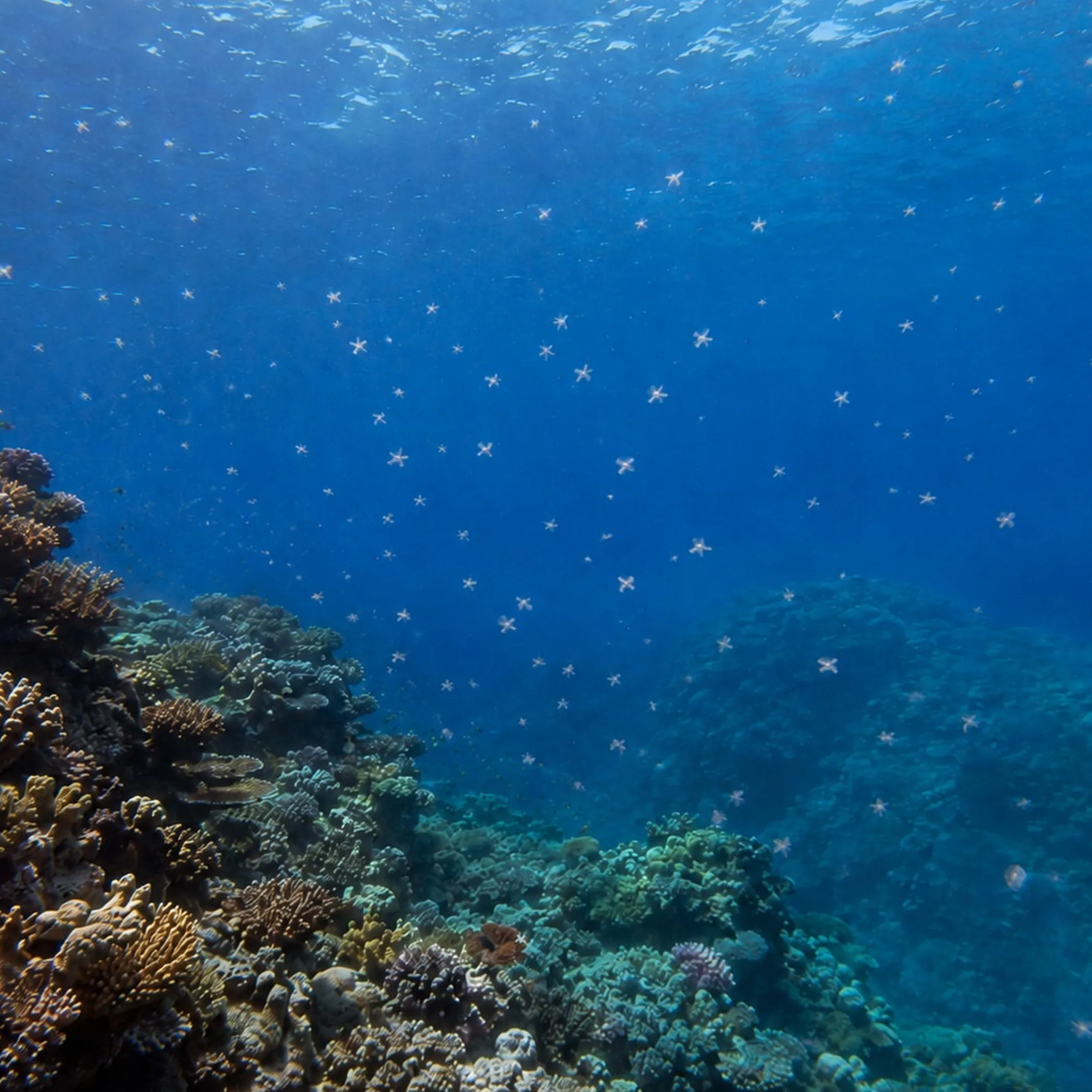
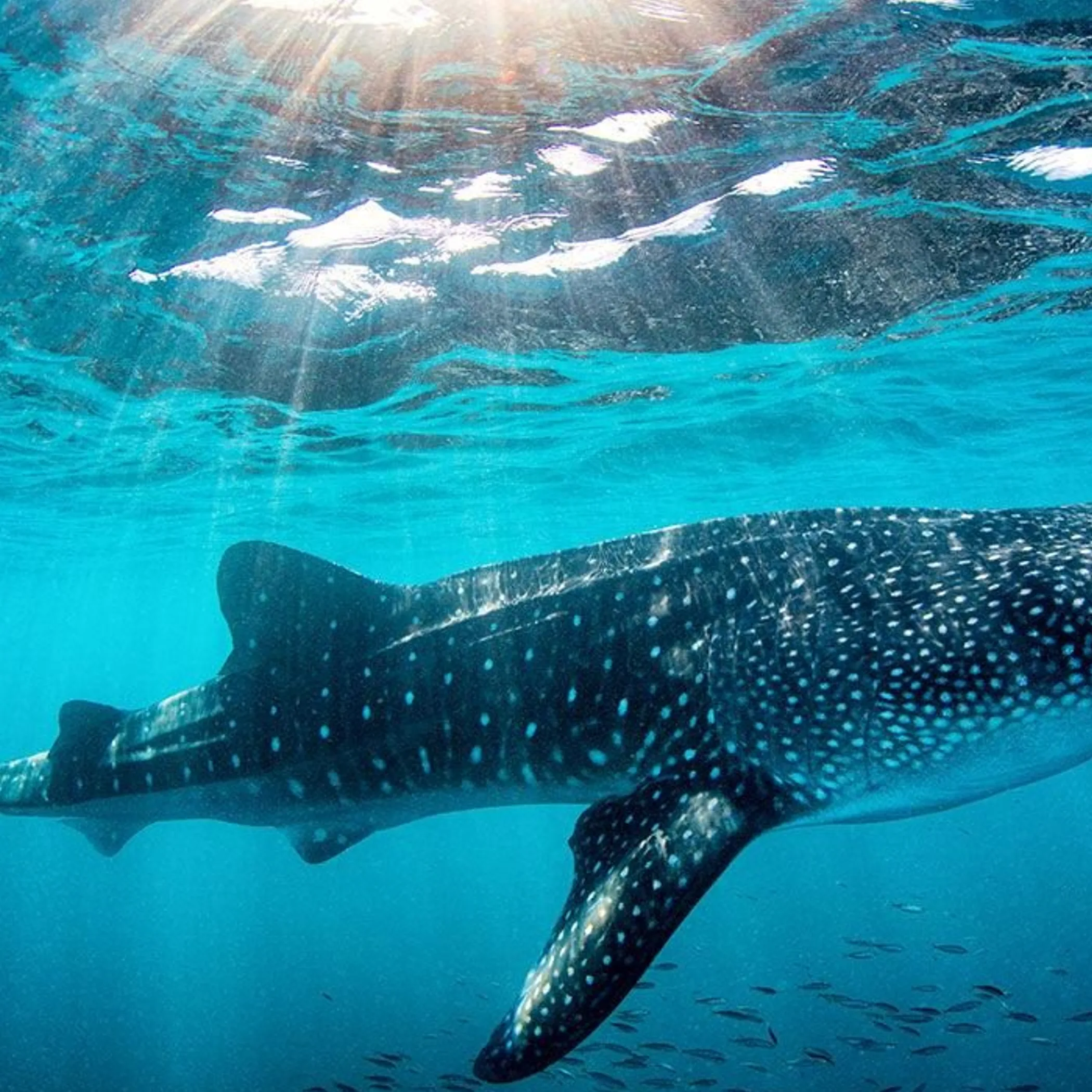
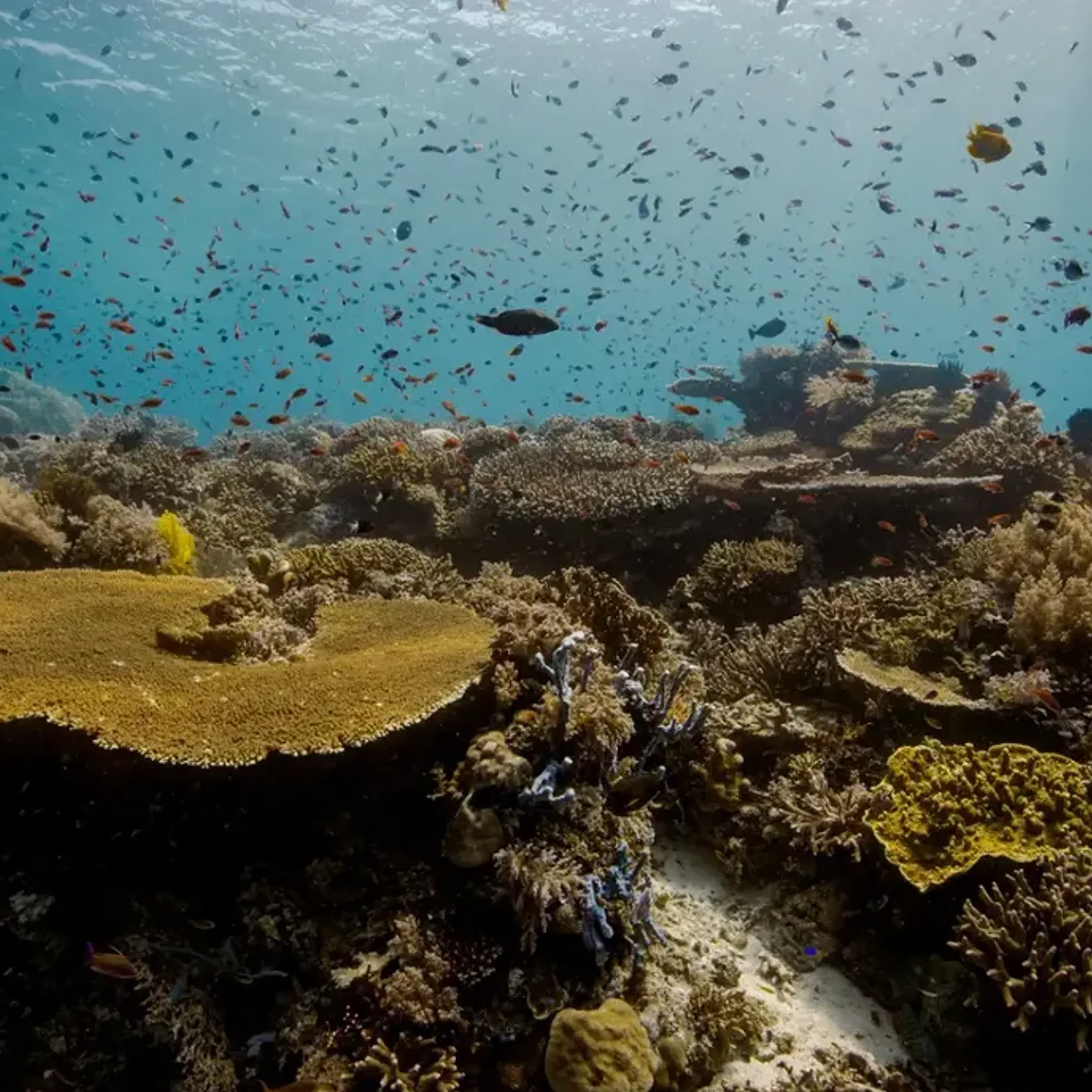
At roughly 300 km in length, Ningaloo is a fringing coral reef of the Coral Coast in Western Australia. You will find whales, sharks, rays, turtles and an abundance of reef fish and coral here, but do not mistake it for something indestructible. For the ideal timing for Western Australian reefs, plan your visit carefully.
Transport, boat traffic, sunscreen, food wrappings and proximity to wildlife mean any visitor puts a certain amount of strain on the place. What responsible reef tourism in WA does is lessen that strain at every stage: on your way in, while you are in the water and when you depart.
Inevitable Consequences of Small Choices
One fin kicked carelessly or an anchor hauled over the seabed can do harm to the coral. Feed the fish and they will come to rely on you. Surround or chase wildlife and you will alter its behaviour.
So one adheres to a straightforward rule: leave only bubbles and take pictures. It may have the ring of a maxim on a school hat but it is effective.
How Tourism Pays For Protection
Properly run tourism is an asset to marine conservation. It puts money in regional businesses, gives local guides employment and makes for visitors with an appreciation of a healthy reef. The fees levied by tours can be an indirect source for the local economy to fund the education and monitoring needed for protection. One sees the same with the Great Barrier Reef: the most constructive tourism is where the operators make the long term viability of the reef a priority over a close encounter and see to it their visitors are well informed.
An Eco-Conscious Tour Is Worth It
Your choice of operator dictates much of the environmental impact you will not be privy to. From the size of the boat and group to mooring and waste systems and the training of the guide, these are the factors that count.
You will not always find the best value in an eco-friendly reef tour in Western Australia, but then you are not just buying a place on a boat. A decent operator will tell you what your fee is towards in the way of lower-impact planning and knowledge.
Do Your Due Diligence
An eco-certified operator should be forthcoming with details of his certification, not content to put a green leaf on the site and hope no one inquires. See what the company says about no-touch policies, waste reduction and emergency protocols.
Put some questions to them. Do they make use of public moorings? Are group sizes kept down and anchoring on habitat eschewed? And if the sea or weather means the activity is not safe, will they call off the trip? A responsible firm will do so even if it upsets the holiday spreadsheet.
Before you book, get the details straight on departure and return times, parking, what is included in the way of food and equipment hire and where you are to meet. In Exmouth or Coral Bay the map can be deceiving as to the distance between the tour office, the ramp and your accommodation.
Make Sure The Trip Suits You
For those wanting a bit of help to read the conditions and some local insight, a guided snorkel is the answer. A self-guided excursion from the beach is fine for the confident swimmer who knows the currents and access rules, but demands more of you.
If you are not at ease in open water or have small children in tow, opt for something calm and supervised. From the vantage of the sand snorkelling seems easy enough until the current or visibility turns it into an exercise in mask-wearing.
Limit Plastic And Chemicals

Prevent chemical pollution and rubbish from making it to the marine environment by packing light and choosing your sun protection with some sense. A low-impact holiday in WA does not call for a cupboard of specialist wares, just a couple of durable things and the discipline to see your rubbish back to the car if the bin is full.
Pack A Reusable Kit
- Have a reusable coffee cup, lunch box and water bottle to hand. Do not bring disposable cutlery, single-use plastic bottles or snacks in their own wrappers.
- For your skin type the Australian authorities put forward a reef-friendly sunscreen; put it on prior to getting in the water and for more coverage don a long-sleeved rash vest with a hat and sunglasses.
- Make sure you have a towel, any medication you might need, a small bag for rubbish and some insect repellent that is reef-safe for when you are away from the water.
- Balloons, confetti, glitter and other loose plastic decorations should be left at home. The fish did not ask for a party.
One should not think “reef-friendly” is some legal term of art that renders a product innocuous. Claims are what they are. It is better to heed the local tour staff and reduce the volume of sunscreen in the water by way of clothing and shade.
Food And Rubbish: Keep it Secure
Throwing food into the sea is out of the question. Biodegradable or not, scraps will change an animal’s behaviour and draw wildlife to where there are swimmers. Put away your wrappers and anything light before you board, the wind has a way of locating an open bag.
The same goes for your accommodation. Refill your bottles, do not have towels and linen changed without cause, recycle if you can and purchase sensible amounts of local food so there is less for the dunny or waste bin.
Snorkel In A Manner That Does Not Harm Coral
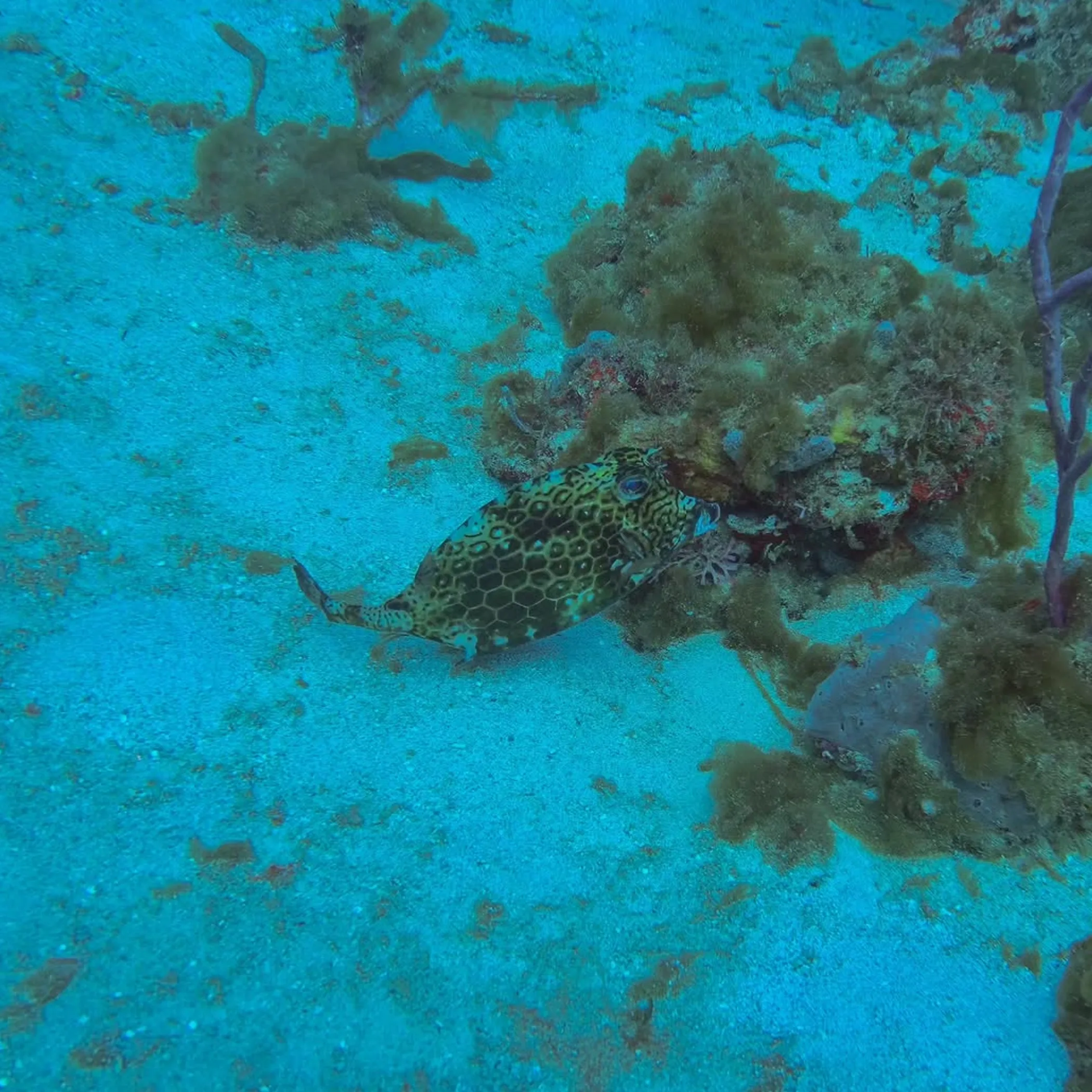
There is an element of self-preservation in eco-friendly snorkelling but it is also to your advantage. Once you are not preoccupied with putting your foot on the reef you can take in the colours and detail at the end of your mask.
“Do not touch coral” is well known. What people do not see coming is how simple it is to make contact when one is fatigued or makes a hasty attempt to stand in shallow water.
Body Position
Stay horizontal and far enough back so knees, hands or fins do not come into the seabed. Get used to breathing through the snorkel and clearing your mask in the shallows first. Should you want to rest, the guide will tell you a safe spot, or head for the sand. Do not put your hand on the coral. It may seem like rock but it is composed of animals and structures of a delicacy that would take years to put right.
Your fin work should be compact and slow. Any big kicks will smother the coral and cloud the water with sediment. If the bottom is being hit by your fins then either the technique or the conditions are not up to it.
When To Forgo A Snorkel
A bit of current, swell or poor visibility can make short work of a nice time and have you at odds with your gear. See what the conditions are and be amenable to a guide who puts a stop to a swim or alters the course.
Put on a flotation device of the right fit if the case is made for it. Stay with the group and let the crew know at the first sign of seasickness, cold or anxiety. Pride will not keep you afloat.
Wildlife Are Not There To Be Performed At
They have to feed and migrate and put in some rest, so give them the space and let their actions be your guide as to proximity. A responsible distance is best and do not be in the way. An animal that is under stress or decides to put some distance between you should be met with a calm retreat.
No touching of turtles, rays, whale sharks or the like. Nor should you be feeding the fish on the word of someone that a snack or two is of no consequence; it only breeds competition and odd habits around the swimmers. Do not put yourself above a resting animal to get a picture or go after a turtle. Hands to yourself and allow room for others.
With humpback whales and whale sharks there are rules set down by the marine park and operator as to entry and how long you are in the water. Adhere to the guide. You do not want to be the reason an animal has a traffic jam of a morning for the sake of a photo.
Nature Has A Way Of Disabusing You
On a reef trip reality can differ from expectation. You may be hoping for a whale shark or a ray but you cannot count on it. A day can be low-impact and a success even if the creature on your checklist does not put in an appearance. A good guide will be more occupied with talking you through the fish and the coral than making a show of pointing at some well-known species. One comes away with useful knowledge for it.
Follow The Rules Of The Marine Park
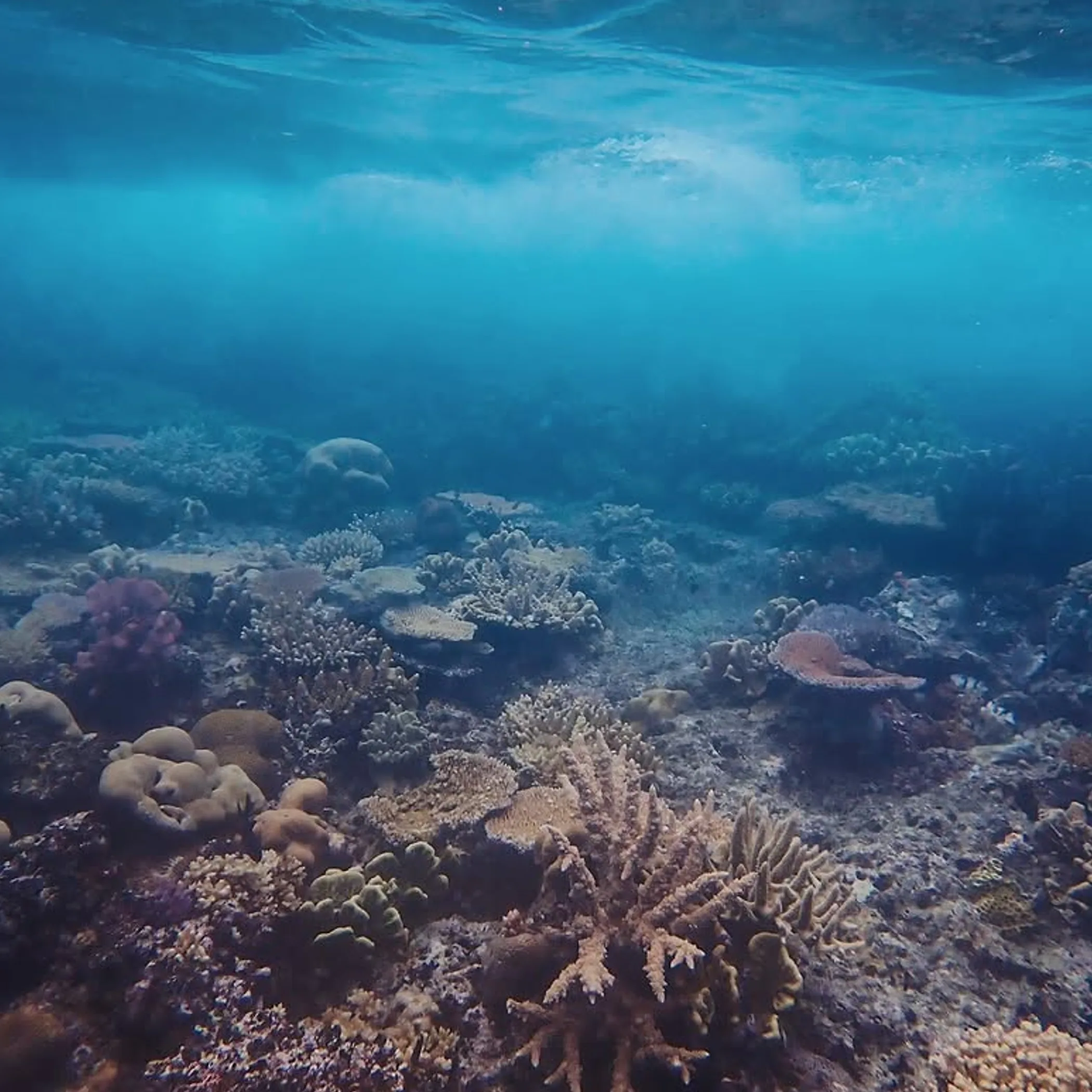
The rules of the sea are there to put habitat, wildlife and passengers under protection. Adhere to them by confining your movements to marked channels or access routes, making use of public moorings where provided and giving no-anchoring zones the respect they warrant.
Be aware that what is required of a boater can vary from one place to another and is subject to change on account of the weather, seasonal closures, management or wildlife. It is prudent to consult the visitor guidance from Western Australia’s Parks and Wildlife for the latest advice prior to leaving, and to heed any directions given by rangers or those with a licence to operate.
Boat With Care
An anchor should never be put down on seagrass or coral. Where it is allowed, make sure you are in an approved spot and have ascertained the local rules. Give shallow reef a wide berth with your propulsion and do not idle in the vicinity of animals.
On a tinnie or small boat, put on the necessary safety gear, stow any loose items and sit down when told to. Common sense will serve you better at sea than road rules.
Leave No Trace
Make a point of keeping the ocean free of rubbish, food, fuel and wastewater. A container is not to be emptied overboard; should there be a spill or you notice damaged infrastructure, let the crew know at once.
From land, take your rubbish and stick to the paths and established access points. Shells, sand, coral and the like are not to be taken. You may be able to pocket a piece of the reef but that does not make it any less of a theft.
Put Your Money Behind Conservation
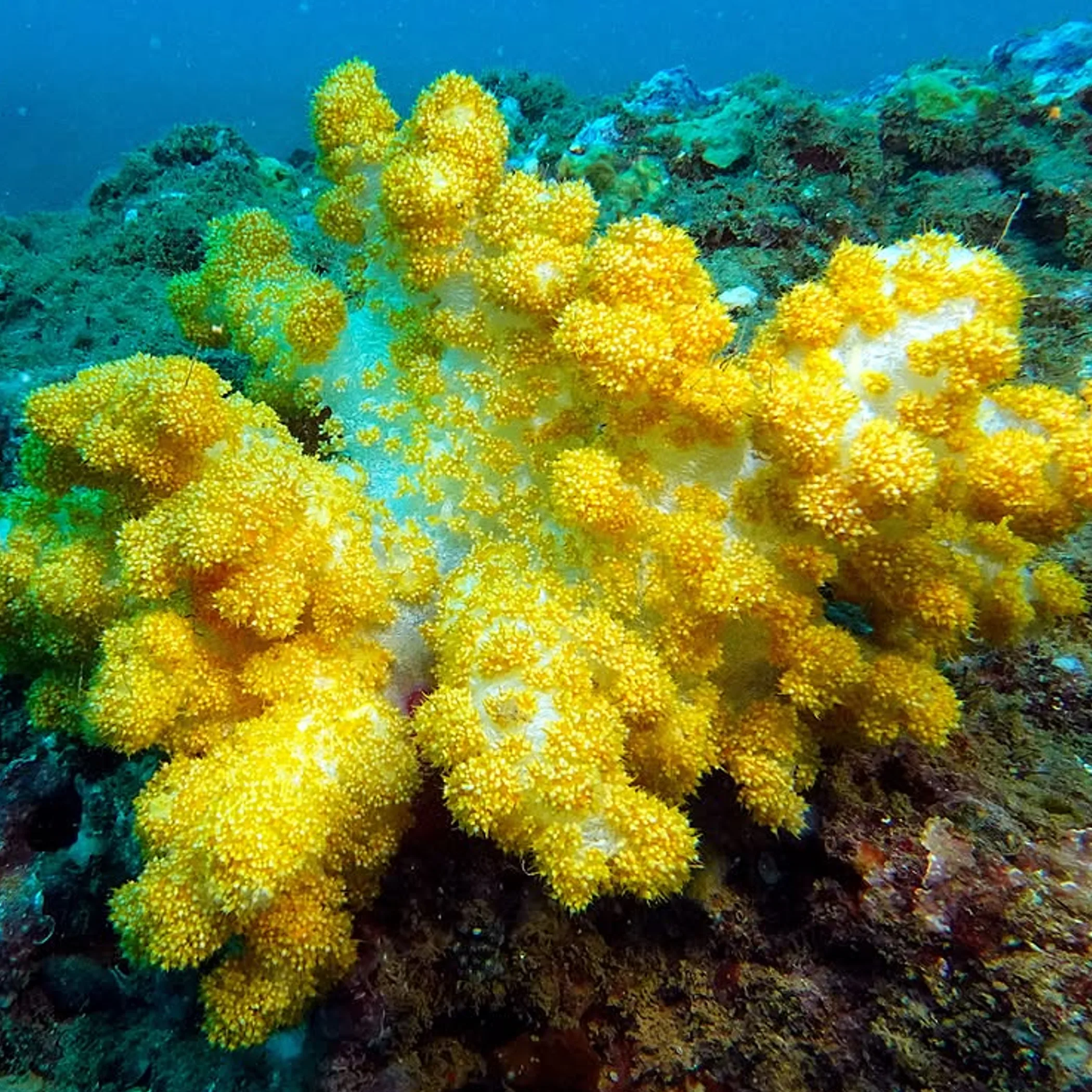
By choosing to stay, eat and hire equipment from responsible local operators and guides, you put more value into the Coral Coast communities and are part of a more responsible form of reef tourism.
Inquire of a tour operator as to their waste and fuel consumption. An offsetting of emissions has its place in a plan but is no justification for an oversized vehicle or a flight that is not needed. Reduce first and then look into the credibility of any offsetting.
Spend With Purpose
There is little point in cheap gear that is done in after a single outing, so invest in something durable. Opt for reef experiences of a genuine nature and see to it that you refill water and dine locally.
A donation to a marine conservation group of repute or a hand with a beach clean-up is well spent if the opportunity presents itself. Do not be taking anything out of the water without supervision even if it looks like rubbish; it could be protected material or habitat of some importance.
Reef Conditions Should Dictate Your Plans
What makes for good timing on a Western Australian reef is a matter of the tides, daylight, the sea and heat tolerance, not to mention the wildlife you are after. There is not a month that is right for all travellers.
The dry season is usually more agreeable on the Coral Coast, though when it is hot one has to be more careful about water and shade. In the north of the state, cyclone alerts from November through April can put a damper on travel, so have a word with the forecasters and check for any closures.
Build Some Flexibility Into Your Itinerary
| Trip Style | What to Allow For | Best Suited To | Watch-Out |
|---|---|---|---|
| One-day visit | One activity and some leeway for travel | The time-poor traveller | Fatigue or the weather may put paid to a second |
| Two to three days | A tour and a weather window to spare | Those visiting for the first time | Do not have every morning overbooked |
| Self-guided shore | Equipment and tide checks | Swimmers of confidence | Things are not as they seem in the car park |
| Family holiday | Time to rest, short swims and shade | All abilities | Children will want to cool down in a hurry |
For a single day, make it count with a guided activity that has proper safety protocols in place. Put in at least an hour of slack to cover parking, transfers, equipment and briefings, not to mention the odd delay. There is no point in having a timetable as full as a sardine tin if it cannot accommodate a late boat or a flat tyre, let alone a child who has taken a sudden dislike to the sand.
One has to be mindful of fuel when making the drive to Ningaloo since services are often far apart. Most will put down in Exmouth or Coral Bay as their base, what with their access point and the activities on hand. But before heading out of town make sure you have your return plan in order and have ascertained the road surface, mobile coverage, where the fuel is and the precise route.
The Right Difficulty
Not everyone will find this to their liking; there are early starts, open water, uneven terrain and heat to contend with. If mobility is restricted or there is a medical condition that is not well controlled, or for those with a marked anxiety about the water, then it is best to have the operator vouch for adequate support and access.
Keep up with fluids and put on some sun protection, and if you can, eschew the height of the day. Be on the lookout for dehydration or signs of heat illness, for stingers and sharp coral where there are warnings, and for rocks underfoot. And do not question a ranger or guide if they say conditions are unsafe.
Some Reef Questions Answered
You will hear these asked from time to time, perhaps because the kind of advice one gets for responsible travel can seem overblown. In short: give the reef more room than you would think and do as the locals say.
Eco-Friendly Ecotourism
What does it entail? It means being selective with operators, making use of public moorings, not touching the coral or wildlife and confining oneself to marked routes. It is also about using less water and energy and making less waste. Proper ecotourism puts something back into the community and conservation instead of regarding nature as something to be used and discarded.
Is “Reef-friendly” Sunscreen Enough?
It might allay fears over some of the ingredients but it is no licence for carelessness. Put on a hat and some clothing for shade and apply only as much as is necessary. Do not assume the label on a product means it is without environmental impact; take the operator’s word for it.
Ningaloo Reef
A licensed operator with safety in mind is how most like to see the reef, one that will put you in the picture on marine park rules and work with the conditions. A confident swimmer is welcome to go ashore if he or she is aware of the hazards and keeps off the coral.
And the Great Barrier Reef?
There people go for the islands, the diving, the snorkelling and the habitat. The setting is different here in Western Australia but the rule is the same: look at the wildlife, do not feed it or make after it.
Tourism can be of assistance to reefs if it is run properly. An informed guide will show you why a reef needs protecting and the money spent by visitors goes to conservation and local employment. Left to poor management it is just another source of damage and disturbance.
Make Your Reef Visit Count
Make of your visit what you will. The WA traveller need not be precious about his eco-credentials, just practical. Observe the rules of the park and stay clear of the coral.
In the end Ningaloo is not looking for perfection, merely for someone to pay attention. Take what the local guides tell you, be prepared for nature to do things in its own time and put the coast back in as clean and undisturbed a state as you left it. You could call that sustainable tourism in earnest.
