To put it plainly, a winter on the Great Ocean Road is very much worth making the trip of, provided you have made allowances for the cold, wind and rain, the short days and the kind of coastal turn of mood that can be quite rough. The road has a way of being more sedate in winter, the sea is dramatic in a manner summer does not achieve and whale season is in full swing. Then again there are the slippery patches, the fog, surface water and flooding to contend with, and strong winds off the coast that will make a car door put up a fight.
My name is Gideon Edwards. Make of it what you will but I would say the Great Ocean Road in winter is for the self-driver who is cautious, the photographer or walker with the right equipment, and those flexible enough to alter their itinerary. It is not for the type of traveller who underestimates how far things are or thinks every café and lookout will be open for business come January. For a more thorough guide to the weather and the practicalities of it when it turns, check the Great Ocean Road winter weather guide in detail.
Winter At A Glance
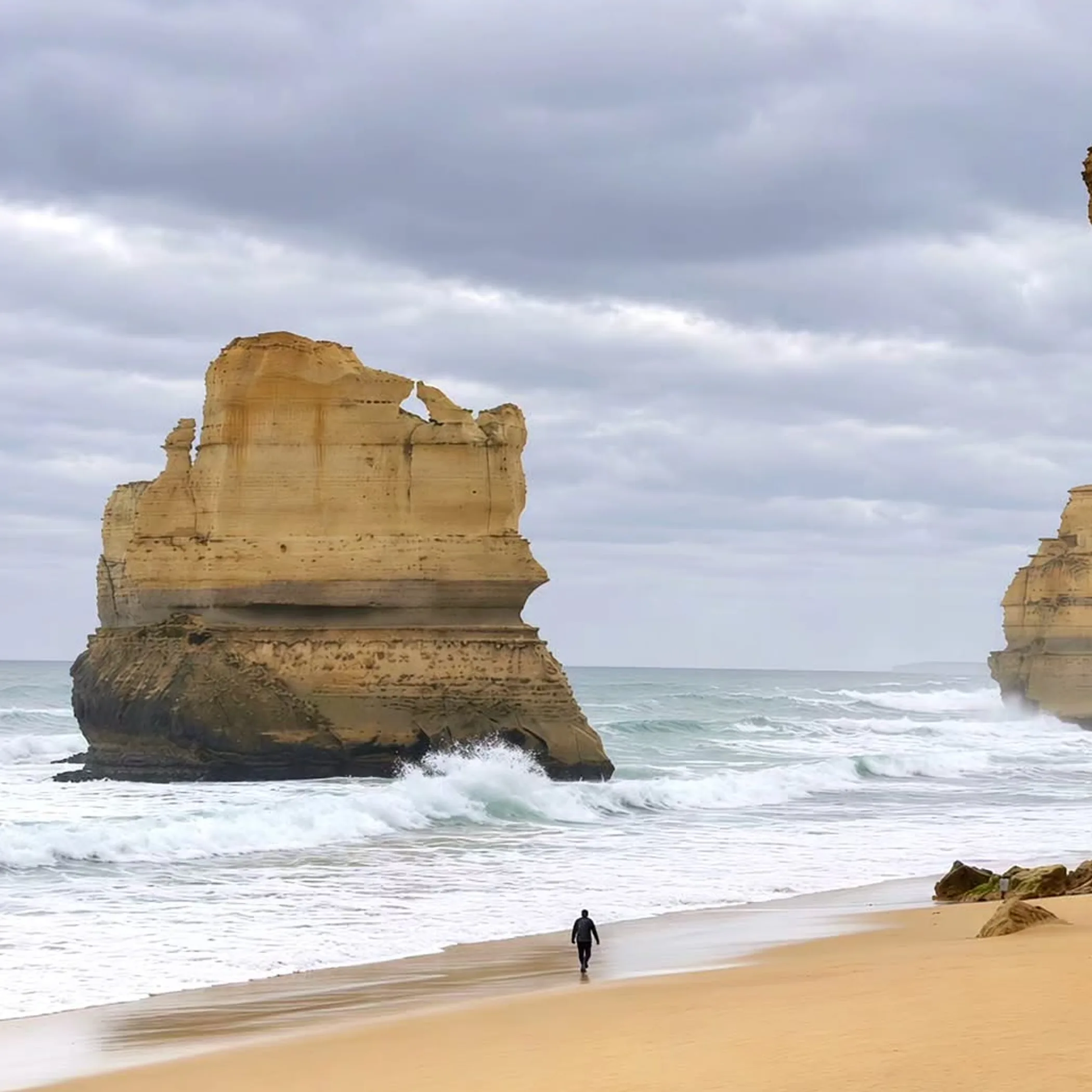
One bay will seem tranquil and the next headland wild; that is the way of this coast and what tends to get people. You can have a good forecast in one town and still find the surf and cliffs 40 kilometres down the road are something else entirely.
The pattern for most is straightforward: less daylight, cooler days, some regular rain and weather systems that move in quick time. Do not mistake it for unrelenting misery, but then again the sun can give way to low cloud and sea spray before your coffee at the servo has been put down.
What To Expect
Temperatures in the daytime will generally be in the low to mid-teens Celsius, colder when morning and evening set in. In Apollo Bay the weather is apt to be wetter and windier than an inland visitor might think, and at places like the Twelve Apostles or Loch Ard Gorge the wind chill will take several degrees off it.
And it is not just a matter of background detail when the rain comes. With a front moving through southern Victoria you can have squally wind and longer spells of wet. Combine that with the lack of hours in the day and your touring window is reduced. An easy summer drive is a tiring affair in winter.
Expectation Vs Reality
You may think “we will put in a stop where it pleases us on this scenic road”. But winter is more structured. There is poor visibility in the fog and rain, soft shoulders and damp parking. You should have an idea of where and when you are stopping.
Or consider the notion that the Great Ocean Road is all of a piece. In fact it is a succession of conditions from the township streets to the open cliff sections and forest, each with its own character in winter. Good winter safety is a matter of many small judgements rather than one large one.
Hazards To Be Aware Of
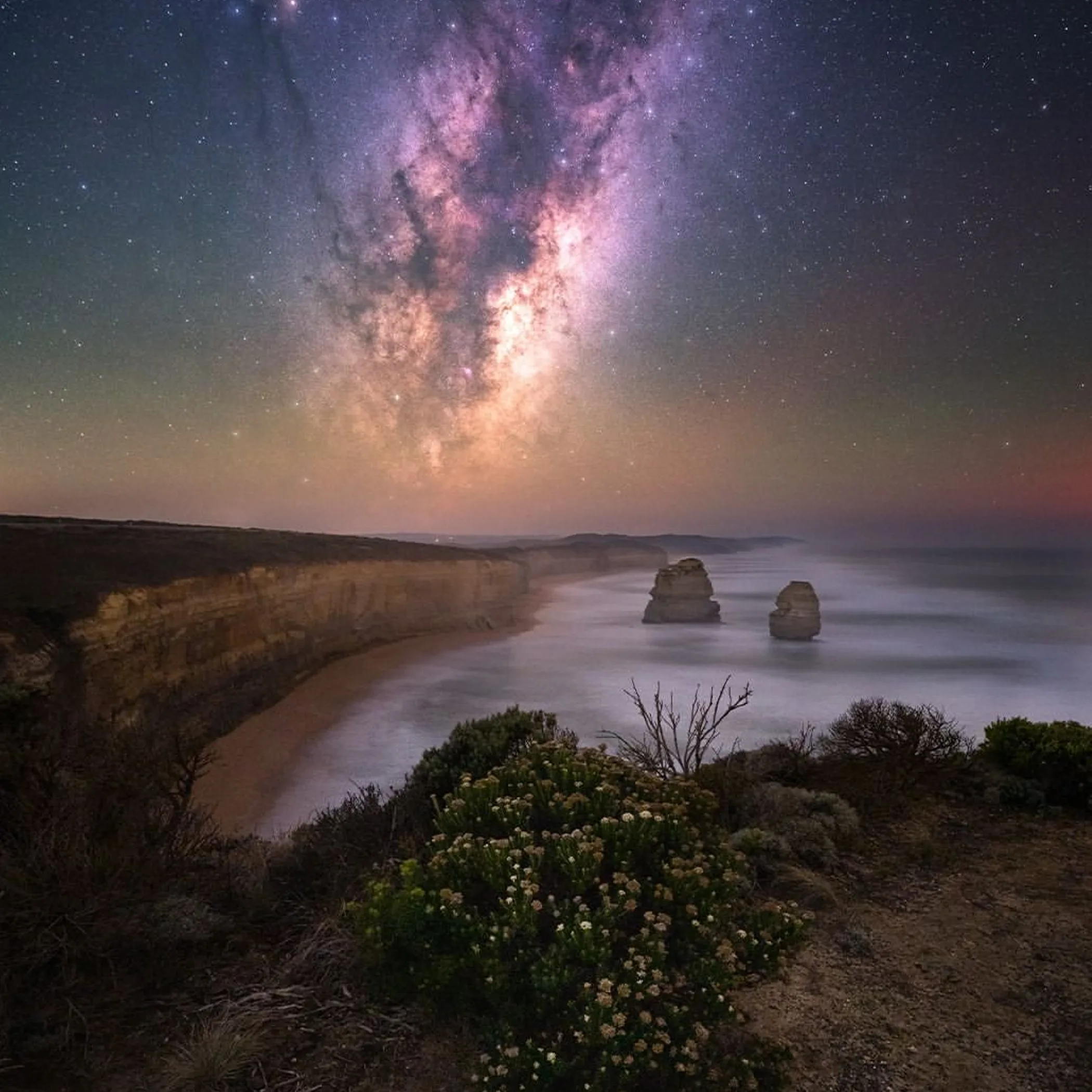
It is complacency that is the danger, not the view. Most of the trouble in winter is found at the edges or with drivers who do not heed the conditions.
I would include the cliffs and any wet access tracks in the top of the list. They seem fine until they do not. The ground can be undermined, a boardwalk slick, and a gust of wind by an unfenced edge can put you off balance.
Sea Spray, Swell And Cliffs
Safety at the Twelve Apostles or in winter at Loch Ard Gorge is about having respect for the exposure. A high swell will send up more sea spray than you would think and after a lull the big waves will come in. One does not stand too close to the rock or have one’s back to the ocean because of sneaker waves; it is no figure of speech.
Then there is the matter of the cliffs themselves which are subject to change. After heavy seas and a long wet spell the risk of collapse is real in parts of Victoria’s coast. Resist the urge to go over the barriers or onto a crumbling edge for the sake of a photograph. A photo is no reason to put yourself in the way of a rescue operation tomorrow.
Fog, Storms and Ground that will not hold your footing
One does not have to be an expert to know what “Great Ocean Road storms fog closures” means; it is the kind of thing you are Googling once the weather has turned. It is wiser to give it some thought in advance. Dawn can see the fog come in and cut visibility, as can a cold still morning or one after rain. Then there are the storms with their attendant surface water, debris and the odd localised closure.
Winter makes for slippery ground in all the wrong places: on stone steps and timber viewing decks, wooden walkways, the ramps down to the beach or even the painted lines in a car park. Gibson Steps should be treated with a measure of respect when it is wet or windy. The descent may well be off limits for some travellers even if the access is technically open.
Allow yourself more margin behind the wheel
An experienced driver with patience will have no trouble on the Great Ocean Road in winter, but most do not allow for the margin called for. The road has its share of bends and inclines, and now and then you will find it blocked by someone who has put on the brakes at the sight of a whale, a good view or some particularly photogenic surf.
Should you alter only one thing in your winter routine, let it be to scale back the kilometres you put in a day. On paper a route is harmless. Factor in the weather, roadworks and time at the lookouts and it is a different matter.
Checking for Closures and Road Conditions
After a hard rain or some local incident, conditions on the Great Ocean Road have a way of changing in a hurry. Make it a habit to check before you set off and again if the day takes a turn for the worse; do not put faith in a morning report for the afternoon. For any emergency incidents or warnings in Victoria, refer to VicEmergency official warnings and incidents.
The mistake is to think a closure is confined to the main thoroughfare. Flooding or fallen branches and the like can impede side roads to a lookout, detours and beach car parks as well. The Great Ocean Road Authority and visitor information will put you right on any changes, but a self-drive plan for winter should have some give to it.
Timing and which way to go
Going west from Torquay to Apollo Bay and Port Campbell is the tried and true way for the self-driver. With most of the ocean-side lookouts to the left it is easier to make a scenic stop and first-timers will find it intuitive. But winter weather has a way of slowing things down regardless of direction so follow where your overnight accommodation is rather than some ideal notion.
An early start is fine unless the fog is low. A day out of Melbourne to the Twelve Apostles with proper stops is a long one in winter. You can make it a one-day affair but with the drive home and lunch and putting up with the wet, you will be packed in like sardines. If a day is all you have, pick a core section to do and leave the rest of the road.
It is for the confident driver
If you are at ease with a winding road, the light and the niceties of overtaking, a winter self-drive is for you. Not so much for the newly licenced or those made nervous by a narrow coastal road and too many stops in a day. In which case a guided trip will take the edge off, though they are as subject to the elements as anyone.
Do not be overconfident at the lookouts
Some will have parked and consider the worst of it done. They would be mistaken.
Winter walking is about judgement, exposure and having traction. There is nothing fancy to the precautions on the Great Ocean Walk: sensible shoes, dry layers, a turnaround time that is realistic and the sense to forgo a part of the track if it is boggy or you cannot see.
Then there are the risks at the popular haunts. The Twelve Apostles will be busy and the platforms wet and crosswinds will be cold. At Loch Ard Gorge the stairs and beach are easy enough in calm but not when they are slick. As for Gibson Steps, with the staircase and access to the beach, it is not a good option for anyone with a bad knee or poor balance.
The Great Ocean Walk has its variable sections. A clifftop stretch can seem less romantic and more bleak in a wind; creeks run high and the boardwalks are not to be trusted. Auswalk and others will offer support on the route but that is no substitute for the weather, it merely helps to deal with it.
Conditions Turn: What to Leave Be
When the gusts are such that you can hardly stand, leave the exposed lookouts be. And if it is lashing down with rain, stay off any unofficial tracks by the cliffs and have some reservations about a protracted beach walk under an unstable bluff. High wave action means you should give surge zones and low rock platforms a wide berth.
To put it plainly, while winter has its merits for a short, solid walk or a good viewpoint, not every cliff-edge excursion or beach access is to be had on any given day. There is nothing to be ashamed of in making a U turn; one could call it wise.
A Shorter, Smarter Day
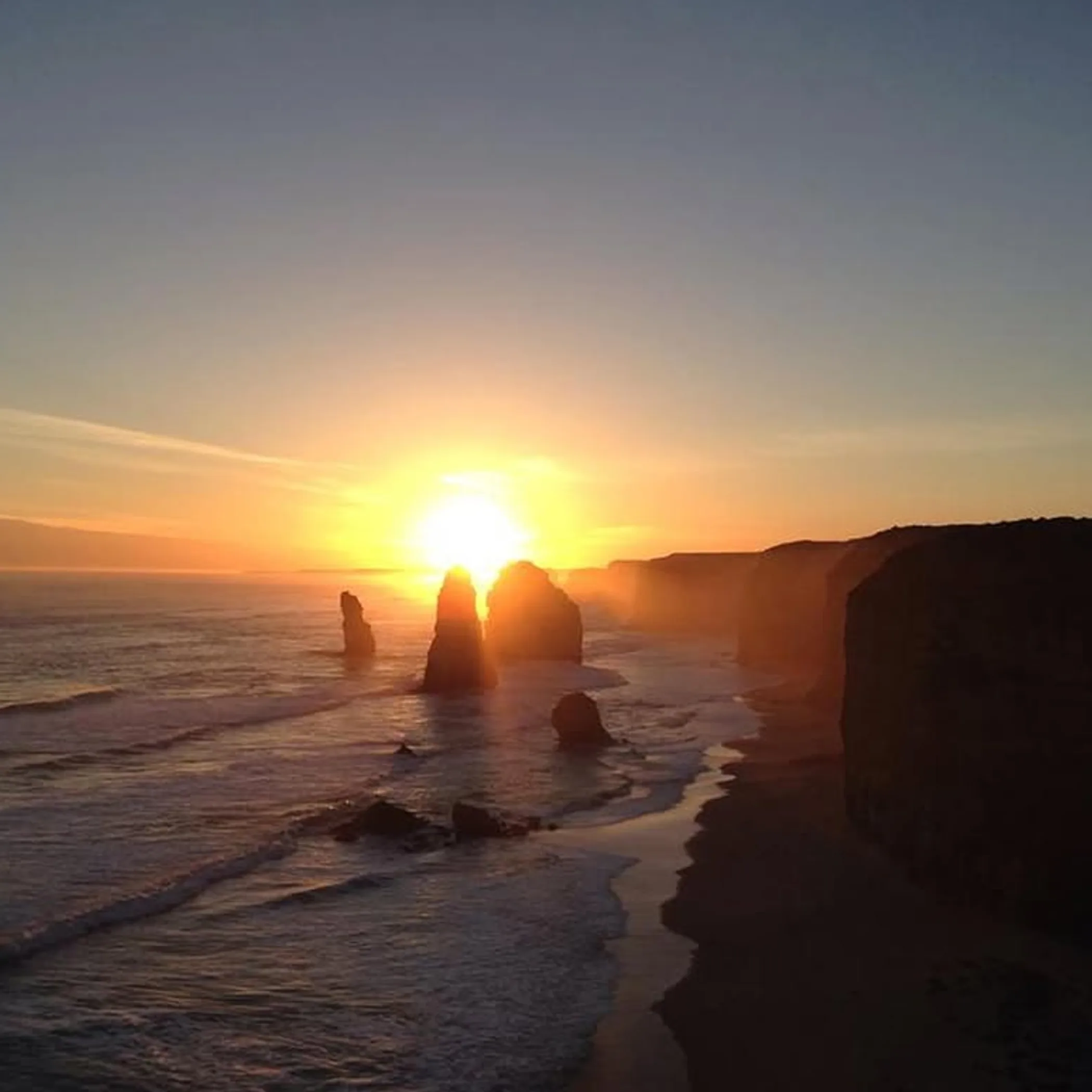
Winter is best with lower ambitions and a tighter plan. It may not have the same ring as “road-trip freedom” but it tends to make for a better day and spares you from cursing in a dark car park at 5.20 pm.
On my inaugural winter run up this coast I fell into the trap of allotting five minutes for a lookout stop. A mistake. Between the slow walkers and muddy shoes and wet jackets and a toilet break, not to mention an unanticipated good bakery near the coast, the day was put back two hours. That is what happens, no reflection on your planning.
Timing and Realistic Sections
Make of Torquay, Lorne, Apollo Bay and Port Campbell what they are, practical anchors to reset and check the weather, get some food or fuel. The distances are not much but in the rain or behind a caravan, or when you cannot see well, they will take their time. Put in some leeway for stops and get off the more exposed roads before it is fully dark.
| Section | Typical Winter Drive Time | What To Watch | Best For |
| Torquay to Lorne | 1.5-2 hrs with stops | Sea spray, tourist pull-ins and wet bends | A short scenic trip |
| Lorne to Apollo Bay | 1.5-2.5 hrs with stops | Narrow sections, fog pockets and coastal winds | Café breaks and lookouts |
| Apollo Bay to Twelve Apostles | 2-3 hrs with stops | Slippery car parks, rain, darker forest inland | The iconic sights and some surf drama |
| Twelve Apostles to Port Campbell | 20-40 min with stops | Wind exposure, wet paths and busy parking | Sightseeing in short order |
You will find these times more to the point than what a map will tell you. They factor in sensible speeds and the odd dawdle at a lookout but not long lunches or any kind of closure.
Making the Most of a Day
It is a matter of preference. Want the icons? Make your day of it around Port Campbell and the Twelve Apostles and Loch Ard Gorge and the like. A drive from Torquay to Apollo Bay is more laid back with easier town stops. You can put in a Melbourne to the Apostles round trip in a winter day if you like but it is a big haul and no pleasure in foul weather.
Two days is preferable if the schedule allows. An overnight in the vicinity of Port Campbell or Apollo Bay will see to a safer and more agreeable trip. Private room rates in the simpler establishments will run you from AUD 140 a night and upwards of 250 for something with a bit more polish. And in the off-season small towns have less to offer after dark so do not count on an 8.30 pm dinner just happening.
Pack Accordingly
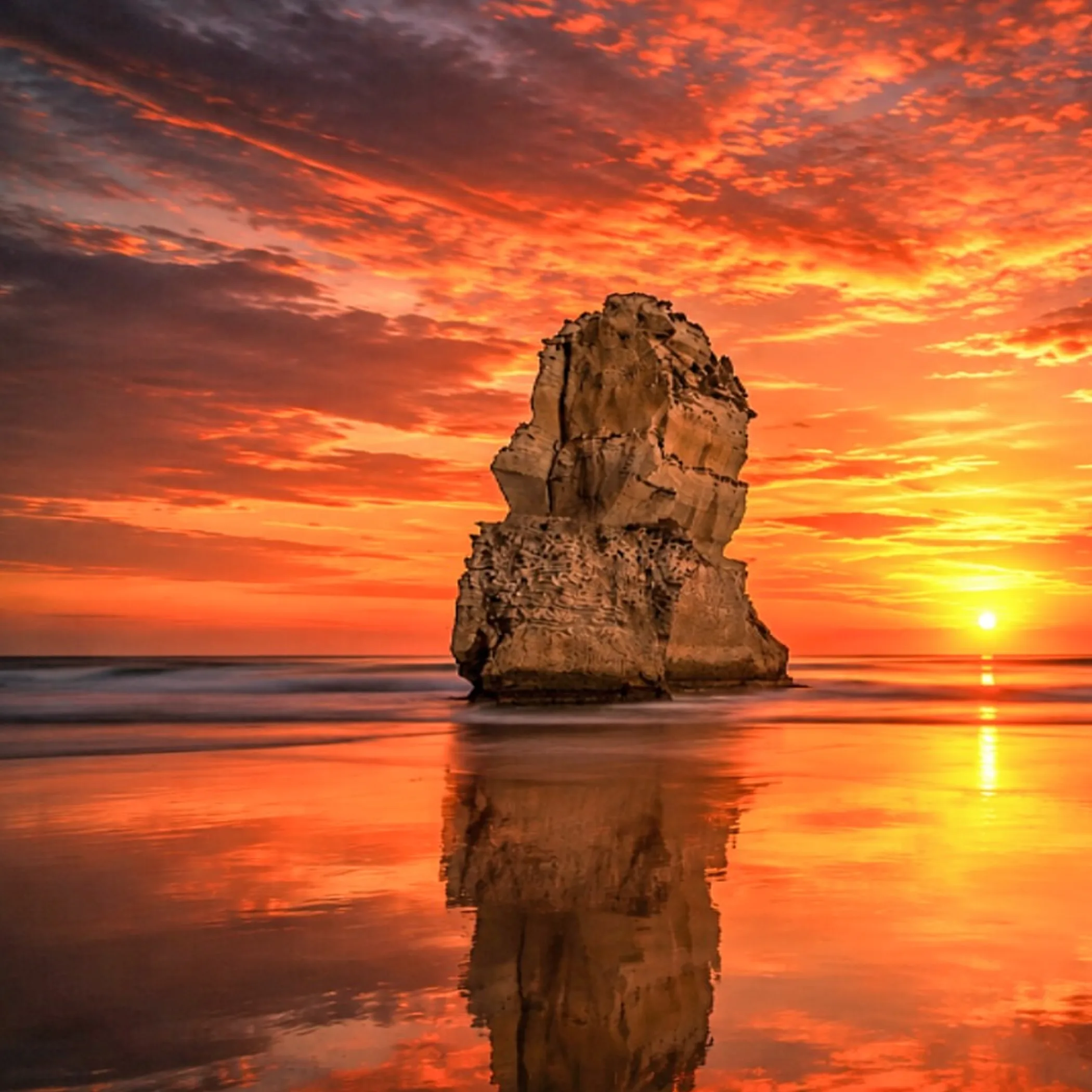
Forget style on the Great Ocean Road in winter and pack to keep warm. The cold out here is insidious, there is wind and dampness and spray to contend with beyond what the thermometer shows. One sees people who have packed for a city weekend having to put up with shivering at a lookout or put an emergency beanie on the tab. Pack for the wind when you are not walking.
- Waterproof hooded jacket, mid-layer, long trousers, extra socks, gloves and a beanie
- Something with grip for your feet for boardwalks and muddy pull-offs
- Torch, power bank, charger for the phone, water and snacks, medications
- Dry bags for the camera, an umbrella for the odd town stop and a cloth for a wet seat
For the walker a map and satellite communication are called for in the less connected bits. A personal locator beacon is a sound idea for remote parts of the Great Ocean Walk in winter, where phone coverage is at best patchy. Experienced walkers might want the added safety of a sat comms unit but for the most part roadside touring does not require it.
Current Safety Tools
By outback measures this is no remote coast, yet in winter a minor issue can be made of an awkward one. The sensible thing to do is to have your road and weather wits about you and put in place a backup plan of the most unexciting kind; one does not give enough credit to boredom when it comes to travel safety.
Make sure you have seen the forecast before you set off and keep tabs on it if there are systems in the area. You will find the Bureau of Meteorology serviceable for the big picture but where storm damage or flooding has led to closures, local incident reports are what count.
A Bit of Emergency Prep
On a long self-drive or any walk worth its name, let someone know where you are headed. Put some food and water in the car for day trips and once you are into the longer stretches, do not let the fuel gauge drop below half, in bad weather particularly. It may seem like fussing over nothing until a closure puts an hour on your time and the nearest thing to you is a kiosk with the shutters down and a dunny that is locked.
Some activities are best left alone. If heights are not your thing or mobility is an issue, the steep beach access and cliff lookouts should be given a miss in poor weather. And for families with young ones, they should be kept well away from the edge. Not only for the drops but because a child will make a game of the wind until it has nearly taken their hat and their better judgement with it.
Less in the Way of Services in Winter
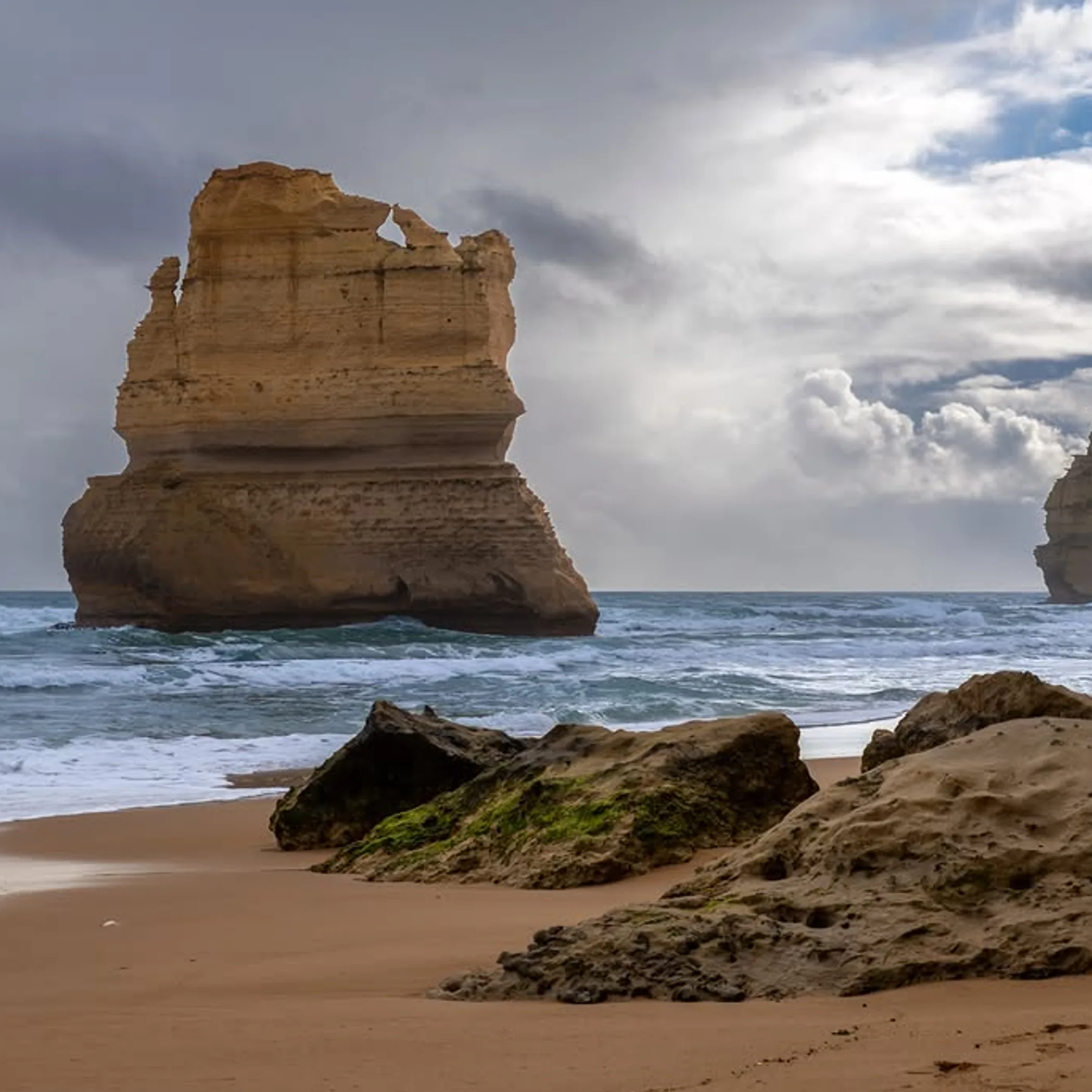
There is an appeal to the quiet of winter, but it brings shorter opening hours and the odd seasonal shutdown at smaller businesses, not to mention fewer places to dine in the evening. Do not count on services being available as a matter of course, outside of the larger towns. An itinerary that looks fine on paper can fall apart if you think every visitor facility and bakery is going to be open for business.
Parking, Access and Bookings
The crush is less than in summer for the most part, though on a fine weekend or during school holidays the bigger attractions will still be busy. Rain will see the usable space dwindle if the shoulders are soft or puddled so stay in the marked spots. A tow is not in the budget and is what you get for parking on wet verge grass.
Then there is the cost. Expect to pay AUD 20-30 for a café lunch by yourself and in a regional town dinner will come in at AUD 30-50 a head before you order drinks. Fuel is not as cheap as you would find in the city so do not run the tank down in hopes of a bargain at the next stop. Get the practicalities sorted and you can take in the views without the niggling worry.
In the end
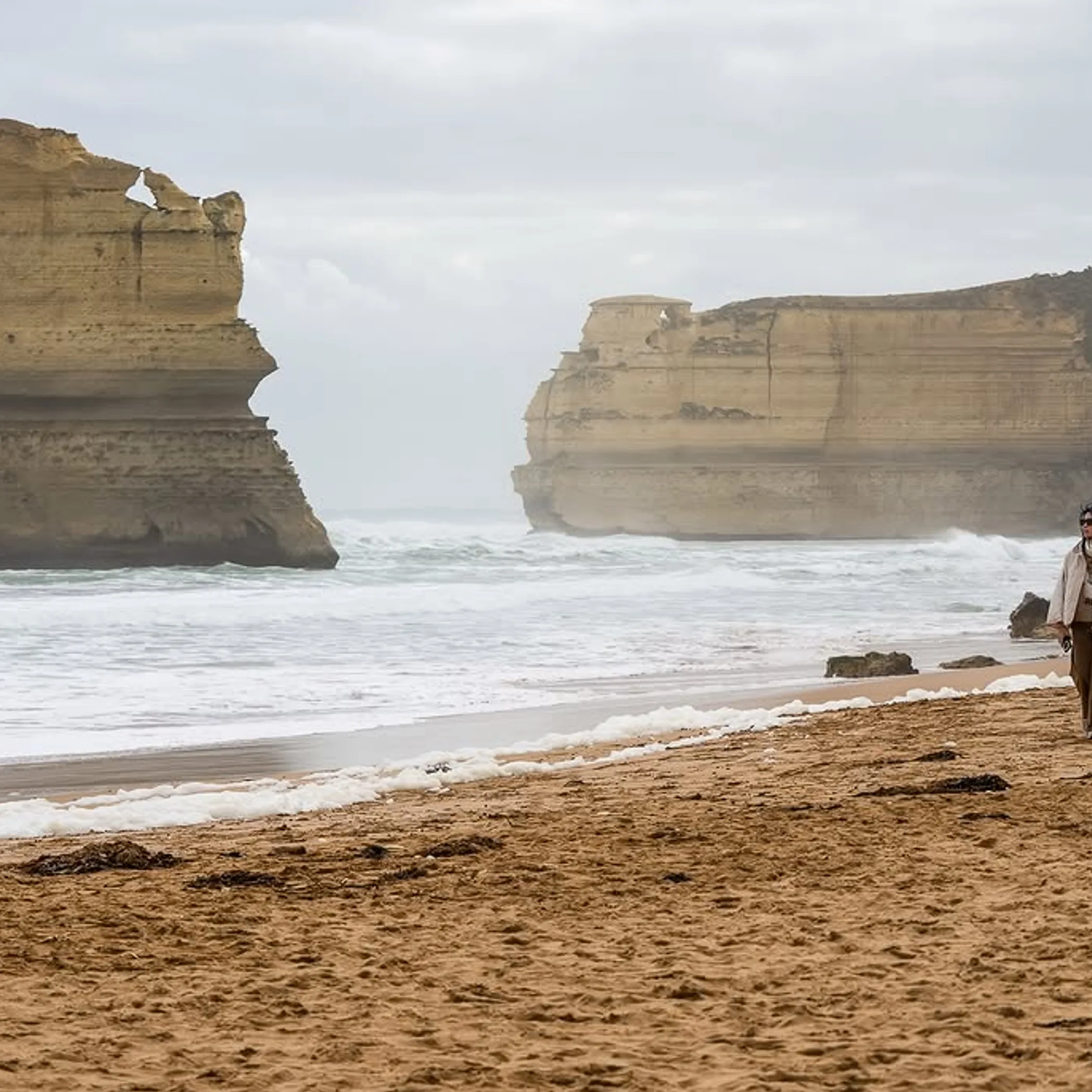
The Great Ocean Road in winter is for those who prefer a moody coast and a trip with some substance to it rather than something glossy. There is no point in rushing or in putting stock in an hour of sun as indicative of the day. Drive a shorter distance, pack for the wet and wind instead of hoping for the best and show the surf and cliffs the respect they are due and you will be on for a better time of it than the summer hordes trying to do the same route with nowhere to park or stand in peace. I would say that is one of the advantages of the season.
FAQs
What is the best month for the Great Ocean Road?
July and August are usually the way to go for a clear winter experience: cold and dramatic with good stormy scenery and none of the crowds. June has a tendency to be darker and wetter, late August the days are a touch longer. It is up to you whether you want the milder shoulder season or the moody side of things.
Which direction to drive?
If you are a first timer making your own way, westbound from Torquay is more straightforward and you will have the ocean to your left for many of the roadside lookouts. In winter however you are better served by the weather and a good night’s planning than by the direction of travel.
How many days to allow?
One long day will do if you want to sample it, but two is more sensible in these conditions. Three and you have the leeway for a short walk or a town visit should the roads be closed or the weather turn. On this coast your map time and the time you actually enjoy are two different things.
Where is the most scenic spot to put in a stop?
For unadulterated coastal drama one goes to the Twelve Apostles; in winter the swell and cloud put a greater scale on things. Then there is Loch Ard Gorge with its shelter and variety, not far behind. A more gentle combination of town, hills and sea is to be had in the Apollo Bay area. Of course scenery is in the eye of the beholder, but as a rule these are the three that stand out.
What of the Great Ocean Walk in winter?
Not a bad time at all, though it will test you. The walker needs to be ready with the right equipment and some give in his plans for when the going gets tough; wet and wind will take it out of one quicker than anticipated and there is less daylight to work with, to say nothing of the mud on the tracks. An underprepared novice would be hard pressed to put in the kind of miles an ambitious itinerary calls for in such weather.
