If you look at the usual suspects for a blocked drain in an Australian home there are not many: tree root intrusion, damaged pipes, hair, grease, food waste or some other foreign object. For the most part a blockage will build up slowly and before long you have a sink that will not drain, an unpleasant odour, an overflowing toilet and on occasion a sewage flood.
I am Gideon Edwards and in my experience plumbing has a way of being inconvenient. A drain can be gurgling for weeks then decide to fail right in the middle of a family dinner or a wet weekend, or with guests due in five minutes time. This guide is to tell you why it happens, what is safe to do about it and when to call in a plumber.
What Causes Blocked Drains?
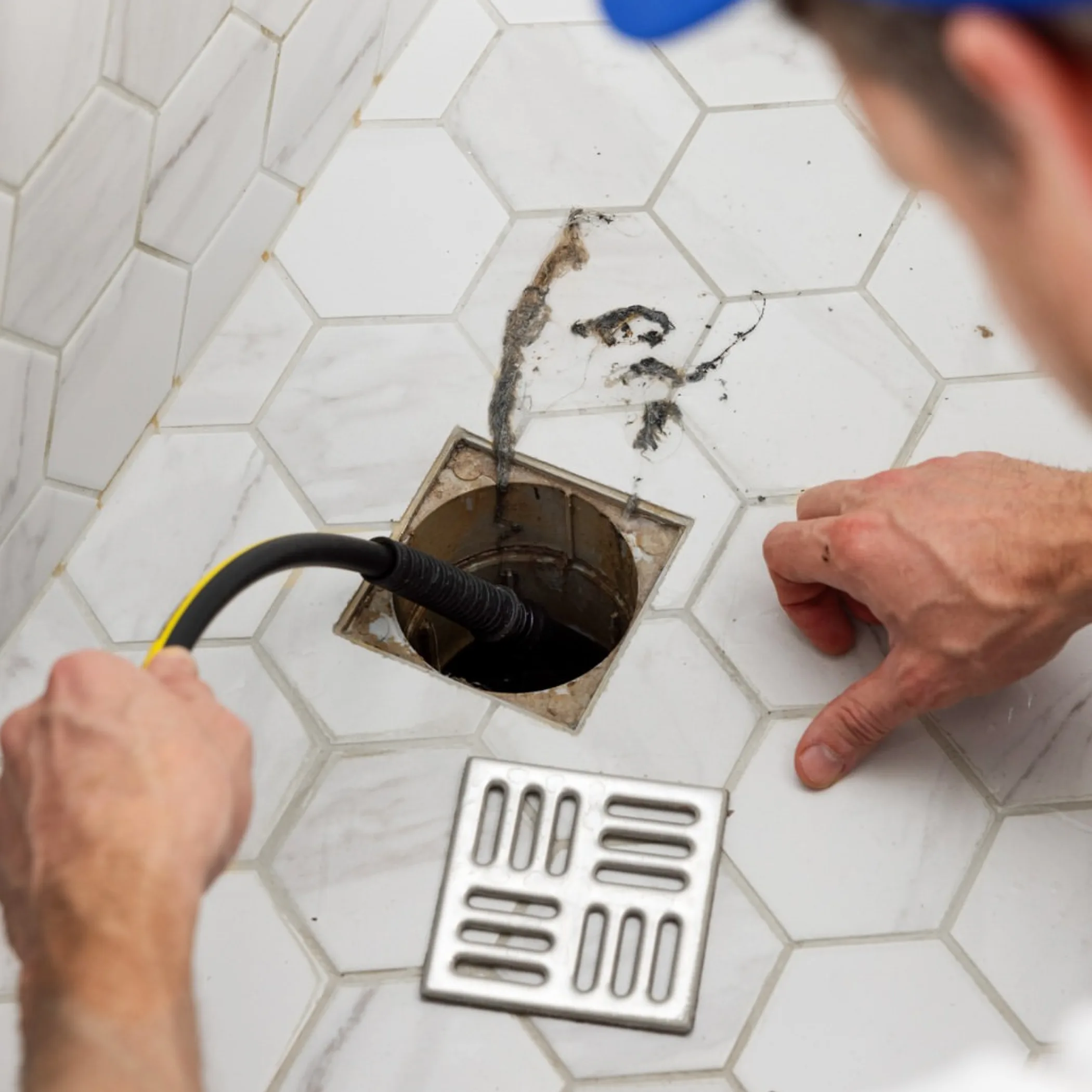
In Australia one does not need a major plumbing failure to have a blocked drain, it is often a matter of routine. The kitchen sink is where fats and food scraps go to be collected, as is hair and soap in the bathroom; leaves and silt will make their way into the outdoor drains. In some cases, tree roots in sewer pipes can also contribute.
Then there are the varying conditions from one end of the country to the other. You will find different causes and remedies for a blockage in an old Melbourne terrace, the leafy Sydney suburbs or a home on the Gold Coast that has been through a few hard storms.
Spotting Early Warning Signs
A drain taking longer to empty is the first thing to notice. An isolated slow sink could be a localised issue but if more than one fixture is affected the problem is likely in the main sewer line.
Pay heed to gurgling, dampness by the outdoor pipes, water backing up in the shower with a flush of the toilet or persistent smells. Do not be fooled by a blockage that is gone after a good plunging, it may have just moved down the pipe.
| Sign | Likely Issue | What to do |
|---|---|---|
| Slow kitchen sink | Grease, fat or food waste | Clean the trap, put a halt to adding waste |
| Odour from bathroom drain | Hair, soap scum, organic matter | Clear any build-up you can see and watch the flow |
| More than one fixture blocked | Damaged pipe or obstruction in the main | Have a professional come and inspect |
| Water pooling outside | Silt, stormwater or garden debris | Inspect the system and clear the grates |
| Blockage keeps happening | Old pipes, a defect or tree roots | Put in for a camera inspection |
You will not find a national statistic that tells the whole story of household drains since insurers, water authorities, councils and plumbers all put down their figures in their own way. Homeowners would be better served to look at the pattern: repeated blocking of the same drain is not bad luck, it is an indication of something deeper.
Tree Roots In Sewer Pipes
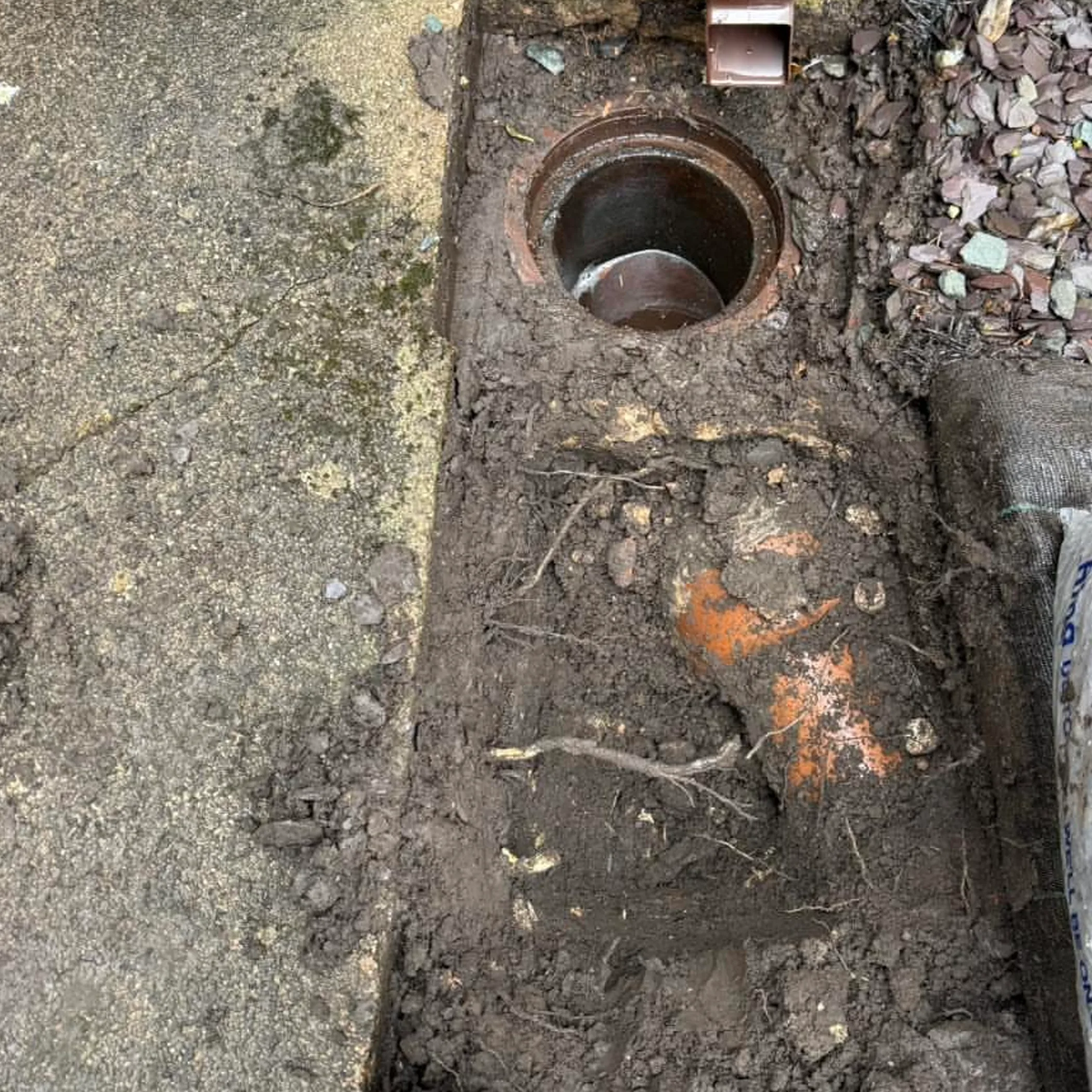
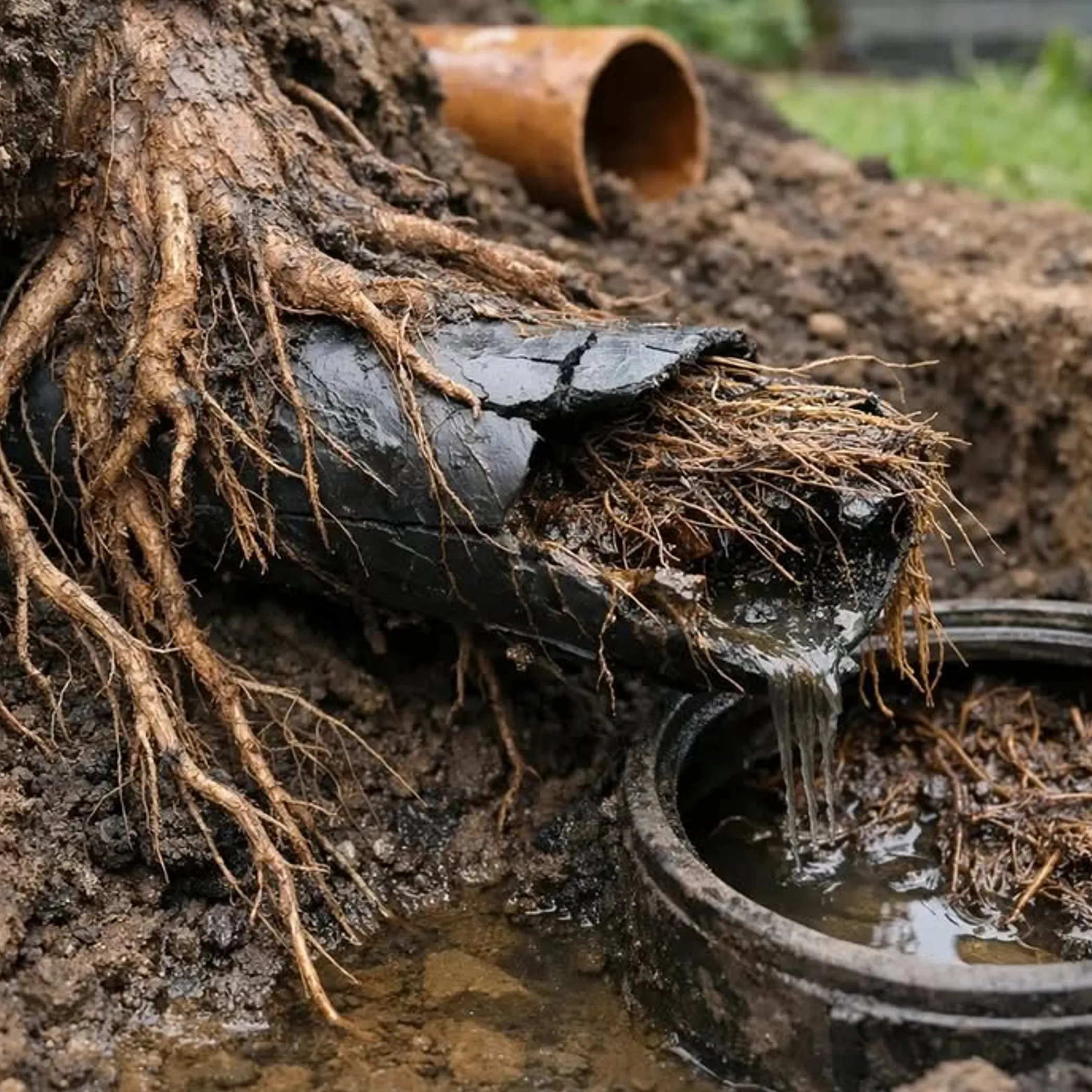
Roots are after moisture and will be drawn to a loose joint, an old connection or a crack. They can make a nuisance of themselves once they are in there, ensnaring grease and toilet paper and making it hard for the wastewater to get through.
This is not uncommon with older sewer lines and mature trees in close proximity. It takes very little of an opening for a root to turn a section of pipe into a net.
Why They Come Back
One can cut the roots and the flow is there again, but the pipe is no better for it. With the damage still present the roots and the blockage will be back in months or years. That is what makes for a drain that will not stay clear.
Some will think the tree has to be over the top of the sewer, but the roots can put in some distance from the trunk in search of water and nutrients. A plumber with a drain camera will be able to assess the extent of it and put forward a course of action be it repair or relining.
Grease, Fat And Cooking Oil
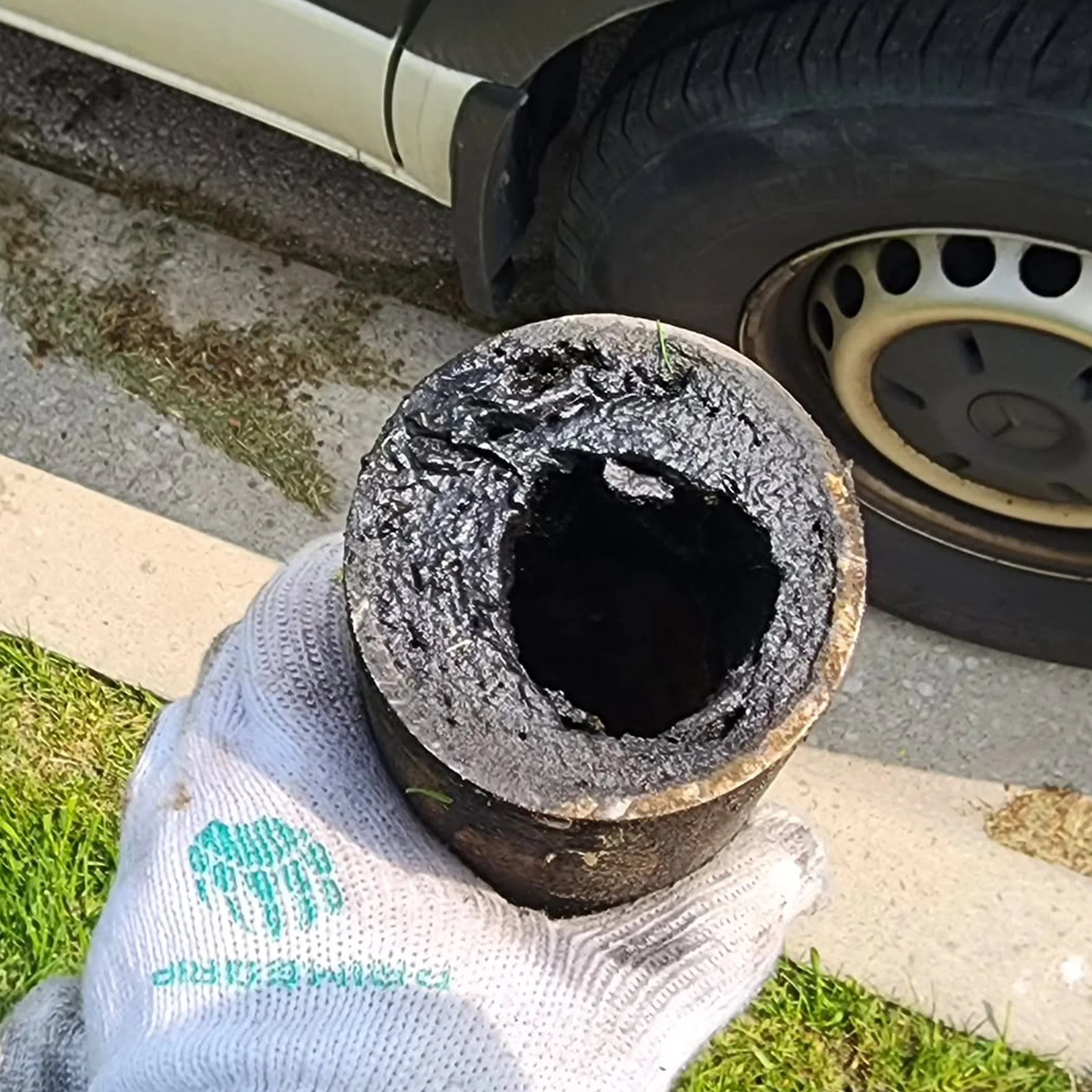
These are the easiest things to prevent in the kitchen. Liquid in the pan they may be, but in the pipework they cool and stick to the walls, holding on to food particles.
Hot water from the tap might shift the residue for a bit but it is hardly a solution, only a brief respite. Wipe the pans with paper, put larger quantities of oil in a container and throw cooled fat in the rubbish.
A Word On Kitchen Habits
Put a strainer in the sink for your scraps but do not let that be an excuse to wash everything else down. Pipes are no place for coffee grounds, flour, pasta, rice or the fibrous peelings of vegetables; they have a way of settling, clumping or swelling in there.
When a kitchen sink is not draining as it should, one would be wise to put off chemical drain products and find out why first. A solid mass of grease will not be dissolved by chemicals and you could be setting a hazard for whoever has to open the trap or bring in professional equipment down the line.
Bathroom Build-Up: Hair and Soap Scum
Blockages in the bathroom are frequently the result of hair, especially long or pet hair and what is left from shaving making its way into the drain. The water’s minerals, skin oils and soap scum can conspire with the hair to make a plug that is hard to shift.
The drain may seem to be functioning while the build-up is on the increase. In time this accounts for the mystery of “why is my drain blocked”: the water is trickling away but the blockage has been put in place quietly.
What You Can Reach
Take off the grate and use a hook or other tool to get at any hair you can see. Put on some gloves, dispose of it in the rubbish and give the grate a clean before you put it back. Under no circumstances should you be shoving the mess further in.
A removable strainer you can remove and empty from time to time is a good idea to keep loose hair out. Should the drain put out an odour once you have cleaned it, or if more than one fixture in the bathroom is sluggish, look for an obstruction deeper down.
Food Waste And Other Objects
Plumbing has its limits and food waste in excess will cause trouble. Not every item is made for the drain even with a contemporary disposal unit, and a lot of Australian households do not have such a thing.
Then there are foreign objects. Paper towels, dental floss, cotton buds and small toys will find any rough surface to catch on. A child might not recall having put a toy in the loo but the drain will have the evidence.
Do Not Flush Solids
Paper towels and wipes go in the bin, as does dental floss; food scraps belong in the compost or rubbish. Unless the local water authority says otherwise for a particular system, only human waste and toilet paper should be flushed.
Do not take a product label at face value as to whether something is flushable. It might break down in the end but until then it is free to mix with grease and debris and make a blockage.
Wipes, Nappies And The Like
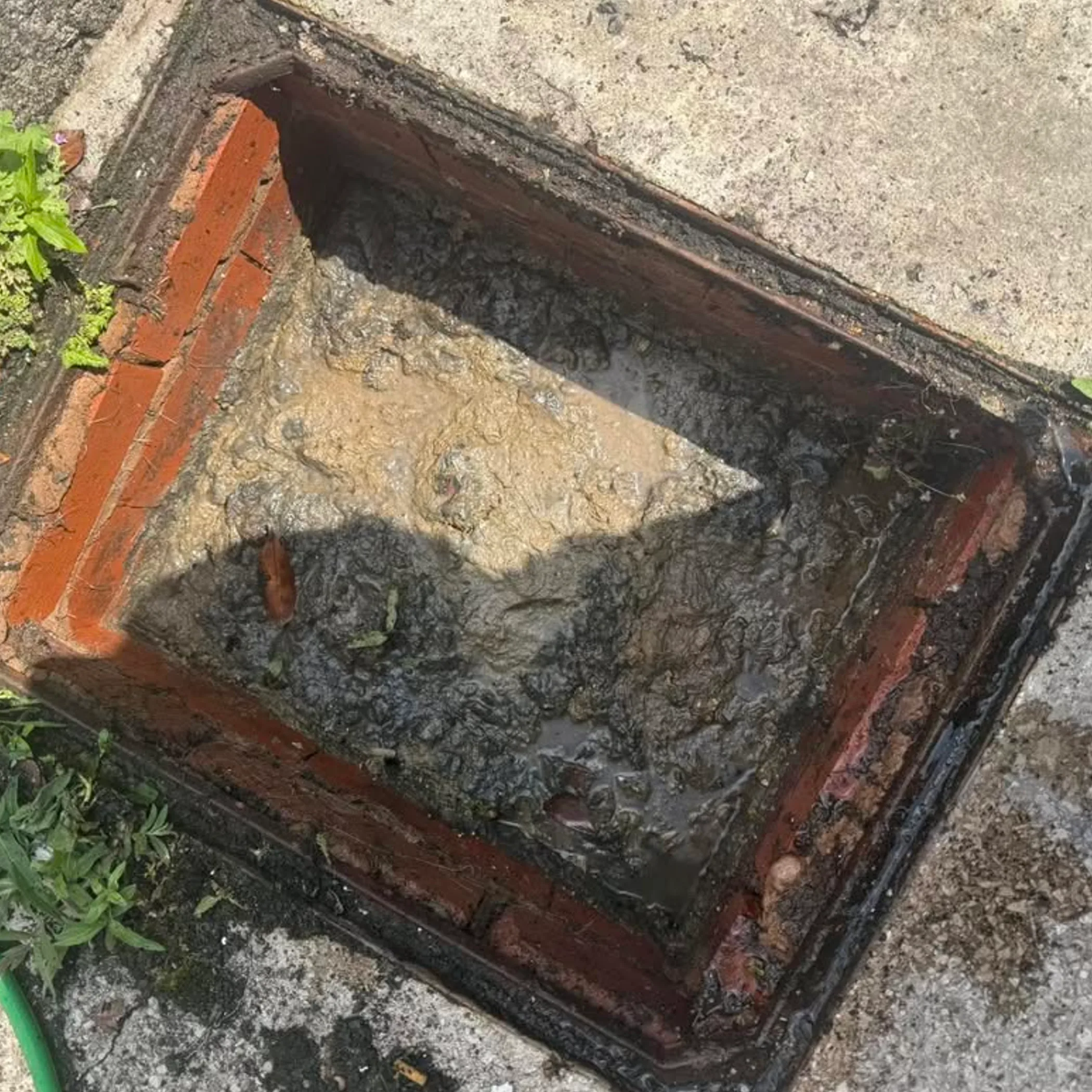
The toilet is not for nappies, sanitary pads, cotton buds or any non-degradable wipes. They have a propensity to soak up water and expand, to get caught in the joints of the pipe and form a dense impediment with other waste.
Some wipes are more robust than toilet paper and do not disperse, so despite what the packet may claim, the sensible thing is to put hygiene products in the bin.
Avoiding An Overflow
Have a lined bin by the toilet and make the rules clear to your visitors and children. For a rental property a discreet notice is sufficient, there is no need for a safety seminar in the bathroom. It is better than a lengthy talk with a plumber.
Should the water in the toilet start to come up to the rim, cease flushing and shut off the cistern inlet valve if you have to. Keep people from the contaminated water and call in a plumber in a hurry if the wastewater is spreading.
Pipes In Poor Condition
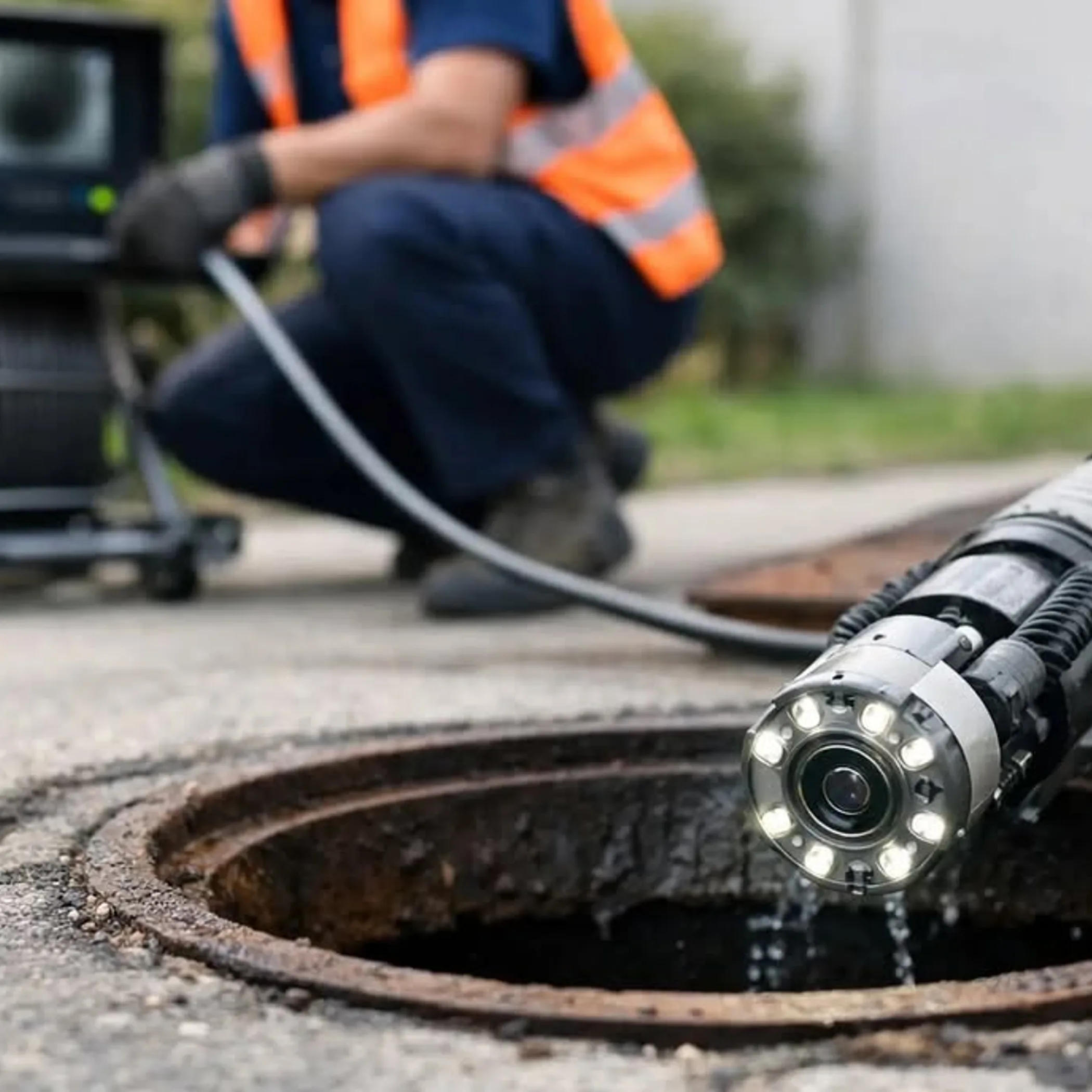
Sensible habits will not save you from old pipes and an ageing system. Cracked or collapsed pipes and displaced joints are the outcome of corrosion, root pressure, bad installation and the like.
A broken joint or a sag in the pipe will gather debris and you will be left with a leak or a blockage, or both, and any relief from clearing it will be short lived.
Structural Issues
There is a structural problem when you have sewage smells, gurgling from the sink, wet areas for no reason and blockages that return. A plumber will want to put a camera or pressure equipment to work to see what is going on. Find out where the defect is and if the work being put forward is really going to fix it.
In Australia the question of who is to blame for a sewer drain comes down to the property boundary and the rules of the water authority. The public network is the domain of the water or wastewater authority, a homeowner has his own private plumbing to answer for. Make sure of the boundary before you put money down on something that is not your responsibility.
How To Prevent Blocked Drains
One does not need to be extravagant with drain maintenance for it to be effective; in fact, good practice is usually unglamorous and cheap. The objective is to keep solids out of the system, be alert to any changes and put right the outdoor water flow so a storm does not make of your backyard a pond over some trifling obstruction.
What one does by way of prevention will differ from place to place. A home in Melbourne with an established garden might require routine inspection of the tree-lined perimeter, whereas in Sydney attention should be paid to older pipework and leaf litter. On the Gold Coast, stormwater blockages are to be taken in stride before the heavy rain sets in.
A Simple Checklist
- Put grease, fat and food waste in the compost or bin.
- Have strainers in the bathroom and kitchen drains.
- Wipes, nappies, dental floss, cotton buds and sanitary pads belong in the bin.
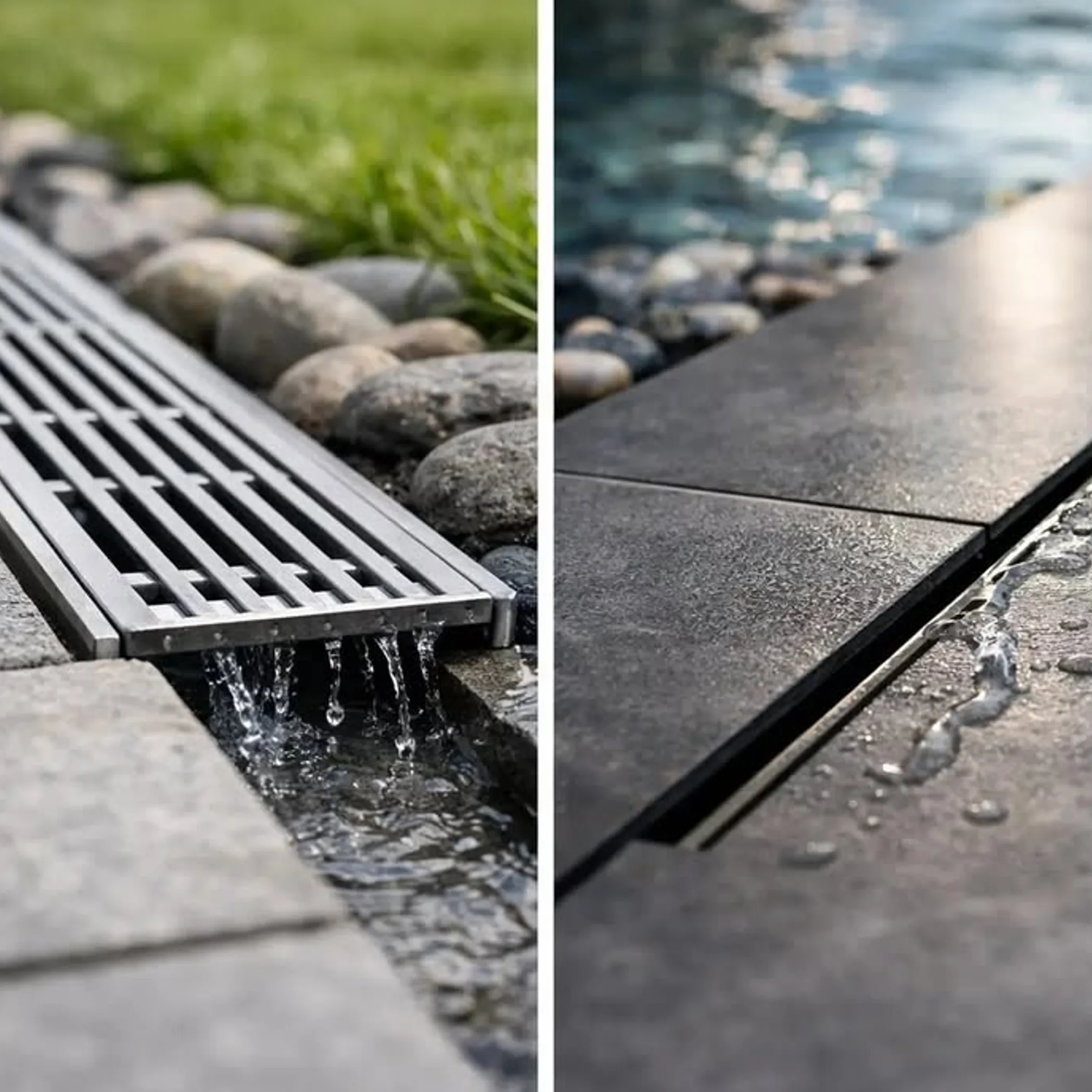
- Stormwater grates should be cleared of silt, leaves and other debris from the garden.
- Make sure to look at the outdoor drains ahead of a wet season or when heavy rain is in the forecast.
- Should a particular drain block more than once, have it inspected.
How To Respond
If a single drain is running slow, put in a plunger of the right type for the fixture after you have removed what you can see and see if flow is restored. Under no circumstances mix chemicals with a plunger; a corrosive product can splash and cause injury to the eyes or skin.
Then there are times to put down the phone and call a plumber: when sewage is on the floor, wastewater has backed up, the blockage is back or you think there is root or pipe damage. Let the plumber know which fixtures are at issue and if any chemicals have been put in them, that he may work safely.
When time is short and there is only a day to address the matter, book the service and attend to what is at hand: stop the water, protect the floors and get rid of any surface debris. Do not waste the afternoon with kitchen cures on a recalcitrant sink or flushing a toilet that is already blocked. It has made its point.
Frequently Asked Questions
Homeowners ask these questions of me most often. While the answers I give are straightforward, the correct course of action is dictated by the location of the blockage and the lay of the pipes.
What Is The Biggest Cause Of Blocked Drains?
You will not find one answer for every property in Australia. In the sewer line it can be tree roots or a bad pipe; in the bathroom hair and soap scum are to be expected; in the kitchen it is the grease, oil and food waste.
Who Has Responsibility For Blocked Sewer Drains In Australia?
The position of the blockage determines this. The public sewer is the province of the water or wastewater authority, but private household pipes are the owner’s concern. Get in touch with the authority or a licensed plumber to establish the boundary prior to any major repair work.
What Are The Most Common Causes Of Clogged Drains?
Whether in the laundry, yard, kitchen or bathroom, a clog is likely to be due to failing pipework, tree roots, garden debris, non-degradable wipes, hygiene products, food scraps, soap residue or hair.
Why Not Use Baking Soda And Vinegar?
They will fizz and perhaps dislodge some residue on the surface but are no use against solid grease, an object in the pipe or structural damage. One gets the feeling something has been done yet the obstruction is still there. A mechanical method or professional opinion is better for anything persistent.
Why Do Drains Keep Blocking?
Most often the original problem is still there. It could be a sagging or cracked pipe, an object past the trap, poor grading or a build-up of grease. If the flow is only temporary after you have cleared it, have a proper diagnosis instead of the same old remedy.
Keep Your Plumbing Moving
For the most part, the causes of blocked drains in Australian homes can be put right or prevented. Be wary of recurring issues and do not let unsuitable items from the bathroom or kitchen into the system.
Safe Work Australia has official guidance on work practices and plumbing hazards. And if you are looking at a room being flooded with sewage or suspecting damaged pipes, do not tarry in calling a professional. It is easier to put in a small repair now than to have a full scale plumbing drama on your hands tomorrow.
