Plan Your Drive In Kakadu
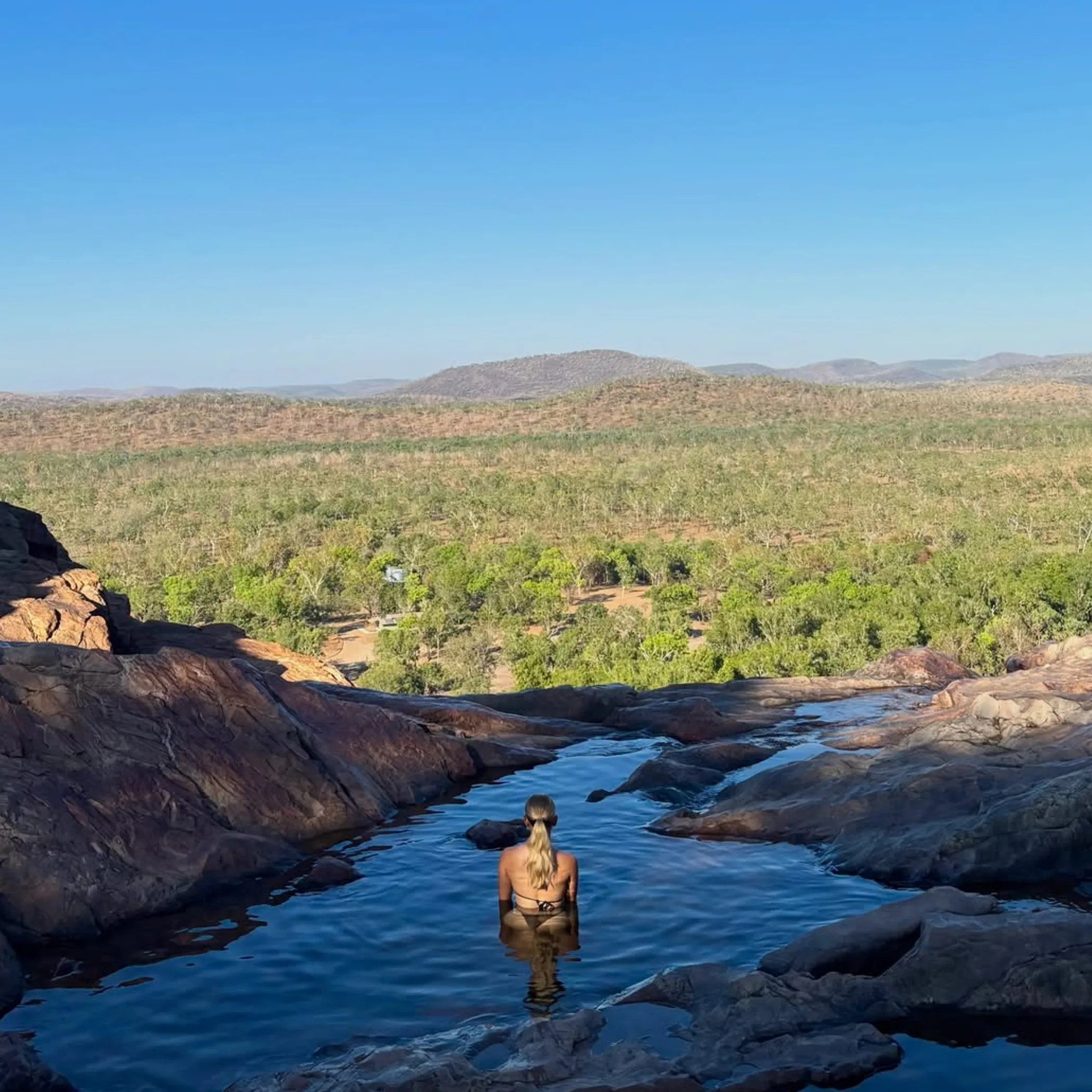
In 2026 one’s ability to get around Kakadu by 4WD is a matter of the season, how much rain has fallen, water levels and any local restrictions or upgrades to the roads. Do not think of the National Park as one big loop for a road trip; there are sealed roads to certain attractions but unsealed tracks to Gunlom or Jim Jim Falls can be closed, flooded or simply rough.
It is straightforward really. A 2WD will do for some of the more frequented spots like Ubirr, yet you will want a 4WD with high clearance for the tougher tracks in Kakadu if they are open, especially when exploring Twin Falls gorge. Make sure to consult the official visitor information from the park and the current Kakadu Access Report prior to your departure from Jabiru or Darwin. The state of the road can alter quicker than a mozzie on an ankle.
My name is Gideon Edwards. I put together travel information for those who prefer to be gazing into a gorge on their holiday rather than making excuses to a recovery operator for having driven into it. What follows is a guide to vehicle suitability, seasonal risks and the sort of questions put to me by travellers before they head up to the Top End.
Open Roads And Seasonal Access
The Arnhem Highway and Kakadu Highway are the main arteries here, linking Darwin and Jabiru with Cooinda and the principal visitor areas. But once you are off the seal, access is different in the wet and dry seasons.
What you find on the road today may not be there tomorrow. There is little warning when heavy rain or a cyclone does its damage, or when emergency repairs and creek crossings come into play. Put some stock in the access signs even if a forum has the road down as open from last week.
Dry Season
You will get the most out of the dry season in terms of predictability. Campgrounds are within reach, creeks are lower and the unsealed tracks tend to be open. Do not be fooled into thinking a dry road is a good one; the corrugations can be as rough as guts.
The wet season leaves its mark and a grader might leave you with deep drains and sharp edges along the track despite smoothing the surface. Take it easy on the tyres and set aside more time than the map would have you believe.
Wet Season
When the rains come, unsealed roads soften and creek levels shoot up so access in Kakadu is curtailed. Some roads are shut altogether for the good of the track, cultural sites and the visitor. You could have a vehicle to spare for a bad road and still not make it across a causeway under water.
Storms and cyclones are a possibility from November through April. An area of the park might be put out of bounds for a while after a hard rain even if it is quiet at your campsite. A blue sky over Jabiru is no guarantee of safety on a remote track.
Closures And Restrictions In 2026
A check of each site is called for in 2026. Current trip-planning makes note of closures or restrictions at Jim Jim Falls and Twin Falls Gorge, so do not build your plans on getting to the gorge until you have seen the latest word.
There is a difference between a road being open and the car park, walking track or the final stretch to a lookout being available.
Jim Jim And Twin Falls
Old Jim Jim Road to the falls is unsealed and subject to seasonal water and loose surfaces. With Twin Falls Gorge you have to plan accordingly. If that is where you want to be, look beyond whether the road is passable. Is the boat shuttle running? Are you allowed to swim? Have the water levels dictated a different approach?
Leave the gate be. Whether it is crocodile country, unstable ground or a maintenance crew at work, the notice from the park supersedes your itinerary.
Gunlom
Exercise due diligence on the Gunlom Road and plunge pool, restrictions are apt to change. The falls at Gunlom can be off limits for any number of reasons, be it infrastructure, environment or culture. As the 2026 data on offer is not a definitive source, one would be well advised to consult the most recent Kakadu access report for a current reason instead of going by an unverified account.
Permits and other restrictions are in play at Jarrangbarnmi and Koolpin Gorge, including Aboriginal land access rules; do not think of these as places for a casual detour. Put in the time to sort out permissions and abide by what your permit stipulates.
Routes for 2WD
Visitors new to the park will find 2WD access in Kakadu to be more accommodating than they might have thought, especially on the sealed main roads. An ordinary car will get you to the cultural and visitor sites of note so long as the road is open and the driver has made a point of checking conditions.
One should not equate “2WD accessible” with “open to all seasons”. The sealed portion of a road can be passable but the track or viewing area at the end is closed. Then there is the matter of clearance and tyres, or any local damage put there by a storm.
Ubirr By Sealed Road
When the area is open, the usual way to Ubirr is from Jabiru via a sealed route. A sensible option for those not in a 4WD, yet it pays to look over the opening times, any notices on the road and what the walking will be like before you go.
Do not make the rock-art shelters and lookouts a matter of a hasty snapshot from the car. Factor in the heat and the time needed for the drive, parking and the walk. Take some water and sun protection and there is no need to be in a rush back during the day’s hottest hours.
Jabiru And Main Corridors
The Arnhem or Kakadu Highways link the major facilities in Cooinda and Jabiru. Under normal circumstances these sealed roads are fine for a campervan, tour vehicle or standard car. Give road trains on the regional highways plenty of room and stay to the left; do not attempt an overtake unless you have a good view.
Supplies have to come from far away which makes prices steeper and fuel, food and accommodation less plentiful than in town. Make allowance in the budget for meals, any park permits and a contingency in case an extra night is called for.
High-Clearance 4WD Tracks
A 4WD of the right clearance will help over rocky approaches, uneven creek crossings and ruts, but it does not nullify the weather nor make a flooded waterway safe. There is no point in thinking a closed track is open because of the vehicle.
Before venturing into the bush, know your GVM, what your tyres can take and the water-wading limits. The badge on the bonnet means nothing to the bush if you are in a four-wheel-drive with road tyres and no recovery gear.
Old Jim Jim Road
This is the way to Jim Jim Falls and after rain it can be hard going. When open you will encounter dust, corrugations, potholes and loose stones and perhaps some water on the track.
Keep a slow pace to avoid building up tyre heat and to hold control. At a creek crossing put the car down and see that the entry and exit are sound and the water is running over something stable. Should it be too deep or fast, or you cannot tell, then turn back.
Gunlom And Gorge Tracks
You may need a high-clearance 4WD for Gunlom Road, the way to Graveside Gorge or about Jarrangbarnmi when they are open. These are isolated roads where you can count on little or no mobile signal.
A permit is required in some cases or there are vehicle restrictions, but having one does not mean the road is open. Verify the authorisation and the road report first.
Maguk And Remote Falls
Maguk is a staple of 4WD plans but the approach can be rough and conditions are not constant. With the Motor Car Falls and other remote walks one has to plan carefully; the fact the road is open does not negate the walking, the heat or the hazards of a creek.
After a long day behind the wheel Maguk is not the place for a quick stop. Park where you can and be back before it gets uncomfortable. The plunge pool might seem tempting but heed the warnings and check the local situation before you get in.
Site Access At A Glance
The table below is to be used as a planning aid, not a live notice. What holds true on the day of travel is what the Kakadu access report says.
| Site Or Route | Typical Vehicle Need | What To Check | Planning Reality |
|---|---|---|---|
| Ubirr | 2WD (if open) | Status of the site, the heat and walking | Travellers without a 4WD will want to make this a priority |
| Jim Jim Falls | High-clearance 4WD | Old Jim Jim Road and any closures or creek work | Slow driving and walking will take a full day |
| Twin Falls Gorge | 4WD and access as per current arrangements | Restrictions, gorge and road access and water levels | Road access is not the same as being able to get into the gorge |
| Gunlom | A 4WD of high clearance is a necessity in some cases | Gunlom Road and plunge pool closure notices | Be clear on what closures are for and how far they extend |
| Maguk | You will need a 2WD or 4WD as conditions dictate | Walking track, creek and road surface | Put in some extra time; do not make it a mere roadside affair |
| Koolpin Gorge | Access is by 4WD and subject to permits | Aboriginal land access and road status | No place for an impromptu detour |
| Igoymarrwa Rock Holes | Follow local vehicle restrictions | Access report, water levels and cultural conditions | Plan carefully and follow all signs |
| Karnamarr Campground | Check campground access | Bookings, roads and seasonal opening | Have supplies to hand in case of delays |
Check Reports Before Departure
An official Kakadu road report is the one to put your trust in; check it near to departure and once more before you are on a remote track. Look up the Road Report NT and the Kakadu Access Report and see how the information stacks up against park signage, weather warnings and what the rangers say.
Mapping applications should not be your only reference. The data may indicate a route but omit a gate or a flood or a vehicle restriction. And when you come to need reception most it has a way of vanishing, which is all well and good in the bush but not in an emergency.
Five-Minute Departure Check
Make a point of confirming your route, the site opening, fuel range and the like before you go. Let someone know where you are headed and your expected return. A satellite phone or personal locator beacon is called for on a remote track, not a phone with a battery life you are being optimistic about.
- Review the Kakadu Access and Road Report NT.
- Put your permits and any vehicle restrictions in order.
- Have a good look over your tyres, spares, recovery equipment, fuel and water.
- Get your maps downloaded and note the turn-off while you still have reception.
- Give a trip plan to someone you can rely on.
Driving Safely On Kakadu Tracks
For the most part, safety in Kakadu is a matter of patience. Ease off for corrugations, have both hands free on the rougher bits and pull up if the dust obscures your view. Tyre pressures should be set to suit the track and what the manufacturer recommends, then put back before you are on sealed roads.
Take more drinking water than you think you will need; the heat and any delay will see consumption rise. Put on closed shoes, cover up and use repellent. As for crocodiles there is no room for argument: heeding the signs and staying out of unapproved swimming is essential. Do not be under the impression a placid billabong is without risk.
What Catches Travellers Out
The distance on a map can be deceiving. Between the corrugations, the heat, wildlife and slow moving vehicles, a drive that seems nominal can eat up the day. An operator might do a track in two hours, a private driver will find it takes longer, rain or no rain.
Then there is the error of having just enough fuel for the plan. Put aside a reserve for soft ground or a closed road on the way back. “We will see how we go” is not a plan and the road will have you there.
One-Day Priority Plan
When you have a day, stick to something reliable instead of after every waterfall. Many 2WD travellers make for Ubirr as a matter of course; a 4WD party would be wise to pick one remote spot and make sure it is open first. Do not put several rough tracks together with a late return unless you have given daylight and fuel due consideration.
Those new to four-wheel driving would be better off with a guided tour than to hire a 4WD and head for remote tracks in the wake of heavy rain. Factor in the cost of recovery and excess and a tour is worth the money.
Frequently Asked Questions
Is Kakadu Accessible At The Moment?
In parts it may be, though some attractions and roads are not. Access is seasonal and liable to change with maintenance or a cyclone so consult the latest report.
Is Kakadu National Park Currently Closed?
One site being unavailable does not mean the whole park is. Closures are area specific in Kakadu, so refer to the official notice for your route and campground.
Can You Get To Ubirr In A 2WD?
As a rule yes, provided the road is open. It is one of the major sites a 2WD can handle. Just confirm the road is in order, have water for the Top End and factor in the walking tracks.
What Is The Best Month To Visit Kakadu?
That is a question of priorities. The dry season is more predictable on the roads, the wet brings higher waters and the prospect of closures. For a remote 4WD location you want confirmed access, not just a favourite month.
Is Maguk Open In Kakadu?
Weather, water levels and the likes of it can alter the situation. Confirm the road and walking access via the current access report.
What Are The Road Conditions On Gunlom Road?
If it is open you may want a high-clearance 4WD for the rough going. Check for damage and closure notices right before you leave.
Why Is Gunlom Falls Closed?
Could be for safety, the environment or infrastructure. Unless the official notice says otherwise do not put words to a reason and never go around a barrier.
Make The Access Check
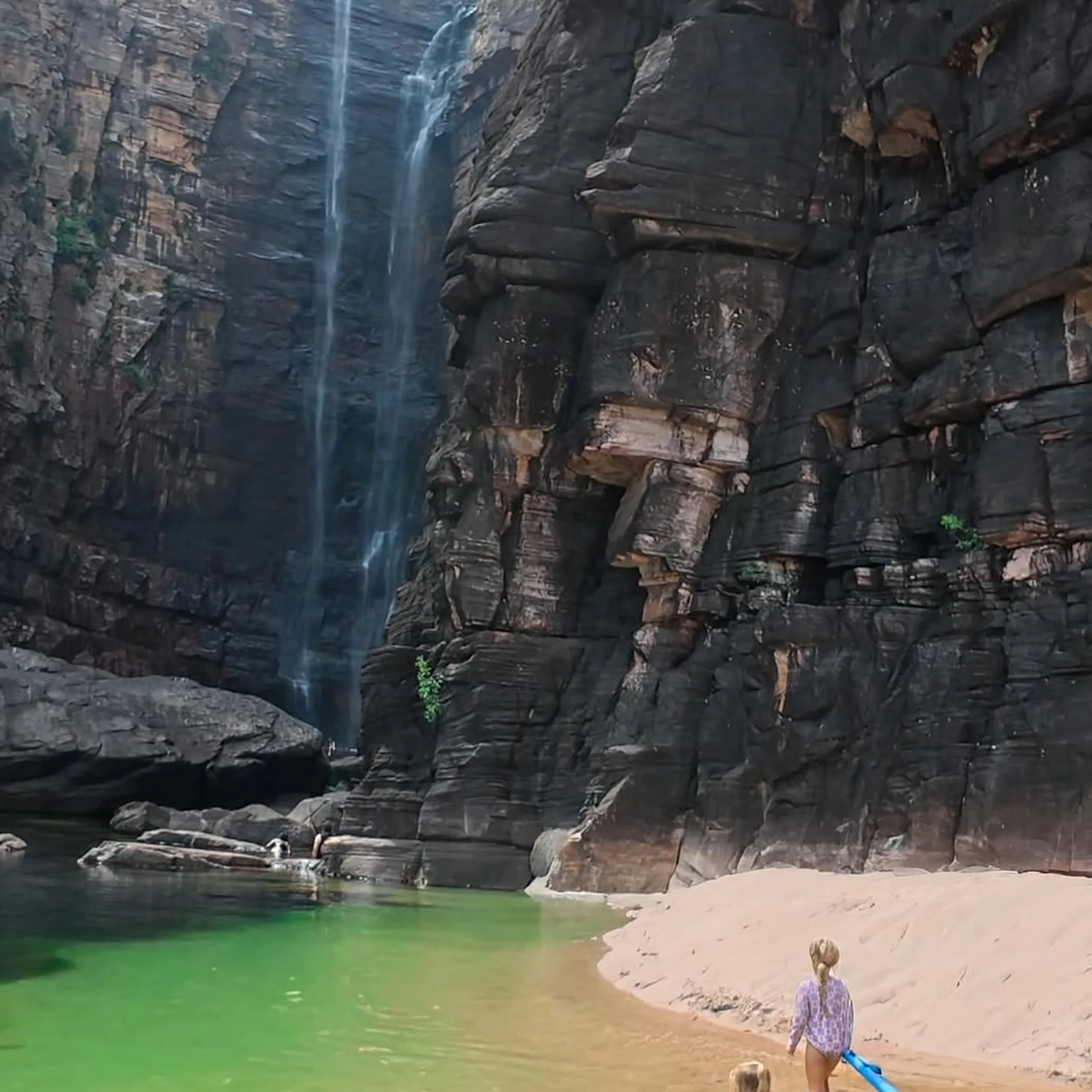
There is reward in Kakadu for those who can adapt. Use the 2WD and sealed roads for your sightseeing and save the rough tracks for those with the experience and the vehicle for it. View a closure as information, not a bother.
Before setting off, have at the Kakadu Access and Road Report NT, your water, fuel and the weather. A sensible approach to tyre pressures and an emergency device will serve you better than an itinerary of grand ambitions. In the end, the best route in Kakadu is the one that has you back in the dark.
